 Cold Brew At Home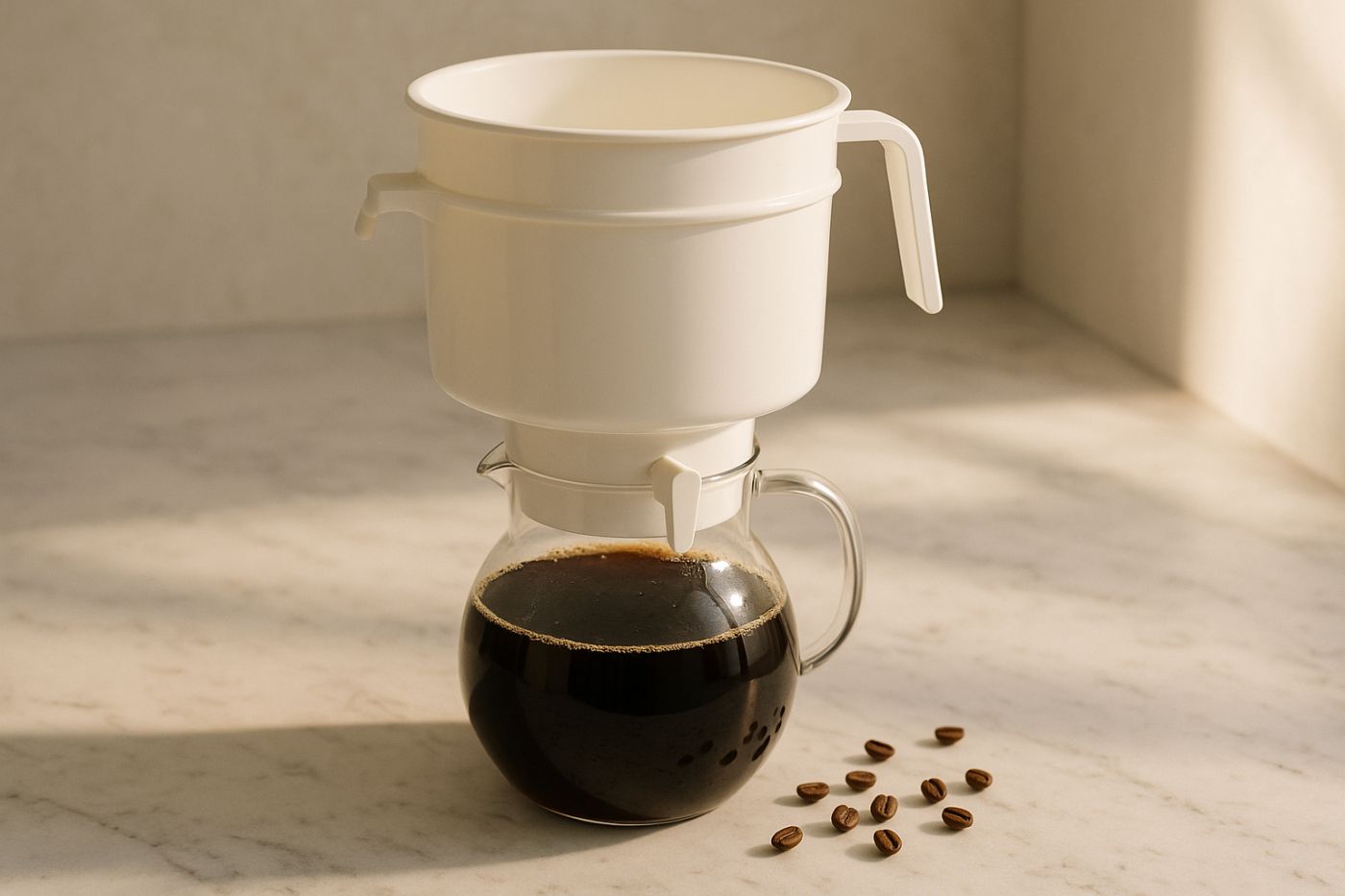
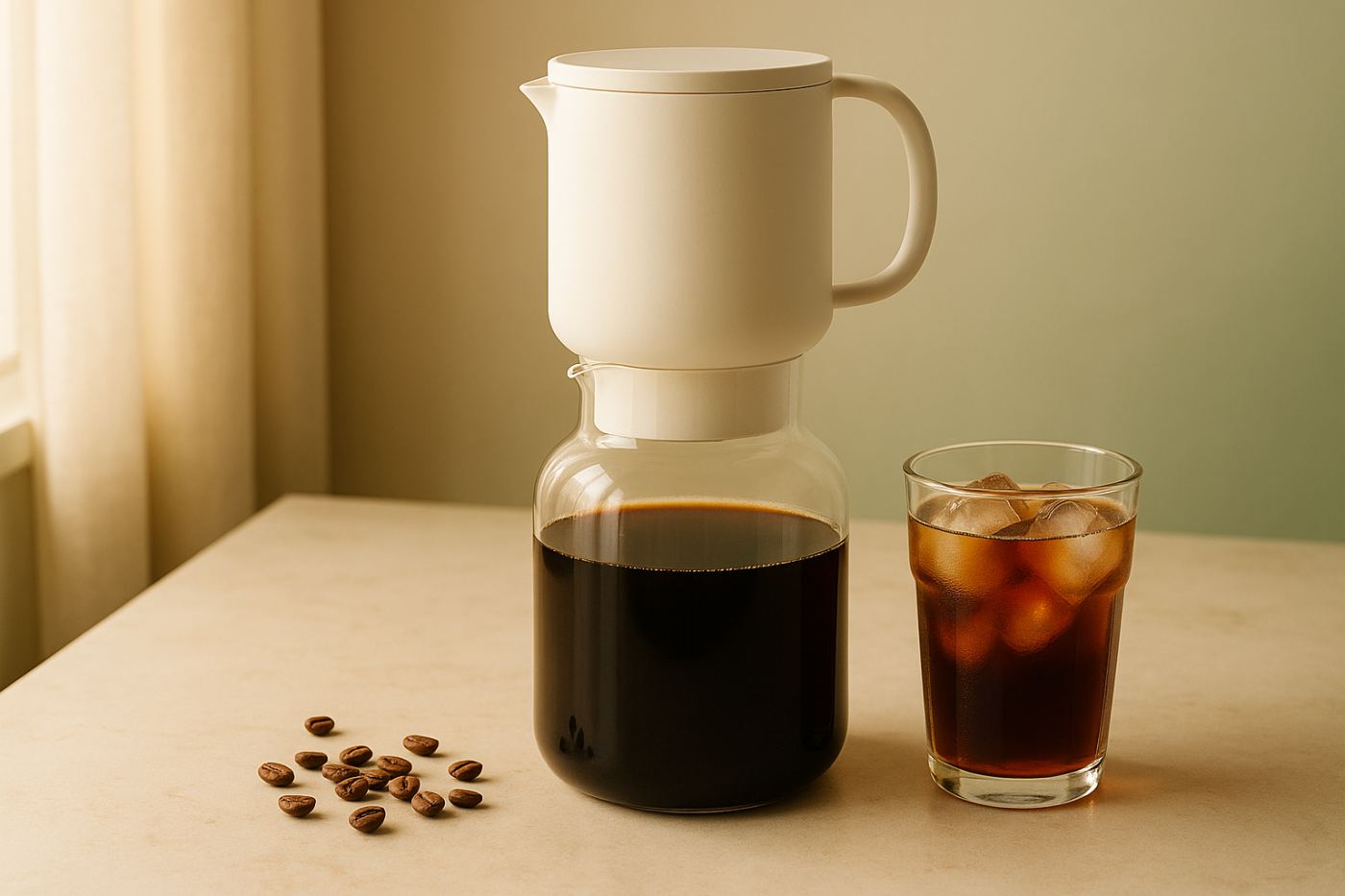
Free shipping eligible · In stock
As an Amazon Associate, we earn from qualifying purchases.
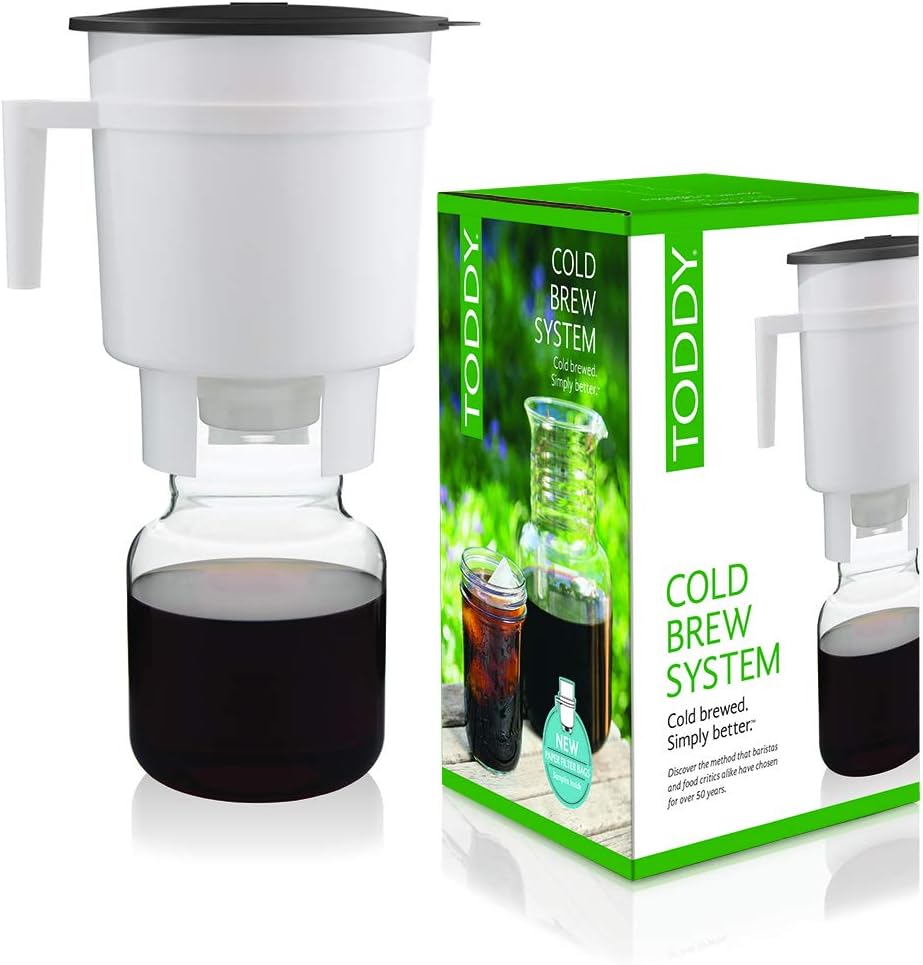
If you’ve searched for a way to make smoother, less acidic cold brew at home, you’ve probably run into the Toddy® Cold Brew System more than once. It’s one of the best-selling cold brew makers on Amazon.
After going through the manufacturer’s specs, the mechanics of how it actually works, and patterns across thousands of verified buyer reviews, here’s an honest, detailed breakdown of whether the $44.95 price tag is worth it — and everything you’d want to know before it shows up at your door.
Jump to a section
A Quick History: Where the Toddy System Came From
The Toddy system isn’t a new gadget riding a cold brew trend — the brewing method it’s built around has been sold in more or less the same two-piece design for decades, which is part of why it shows up so consistently as the reference point other cold brew makers get compared against.
Rather than chasing new features, Toddy’s design has stayed deliberately simple:
- A plastic brewing container
- A felt filter
- A rubber stopper
- A glass decanter
That’s it. In a category where plenty of competitors have added digital timers, motorized stirring, or app connectivity, the fact that Toddy hasn’t changed the core mechanism says something about how well the original concept already works. It also means replacement parts (filters, stoppers, decanters) are still widely available — which matters if you’re buying something you expect to use for years rather than months.
What’s in the Box
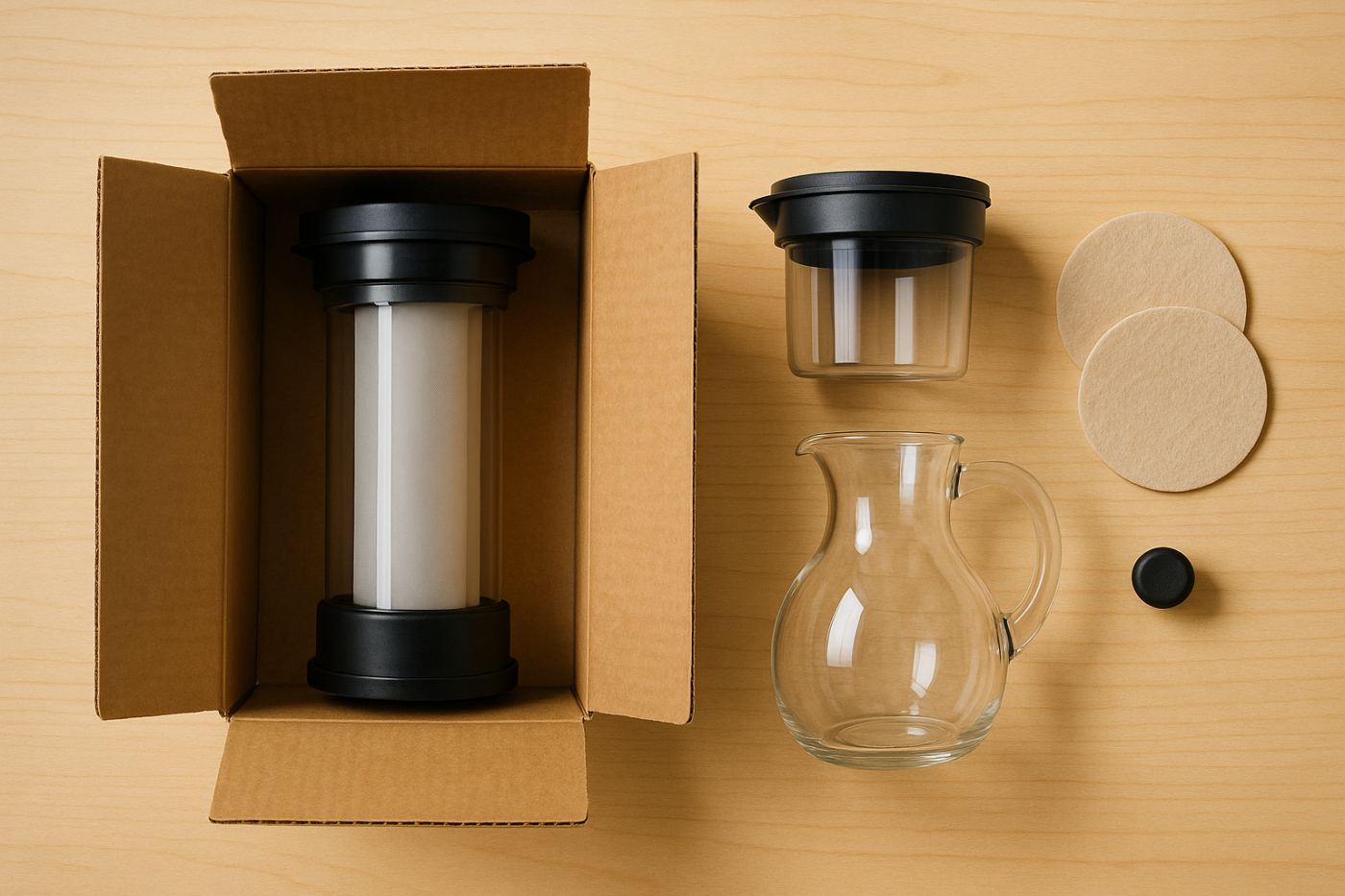
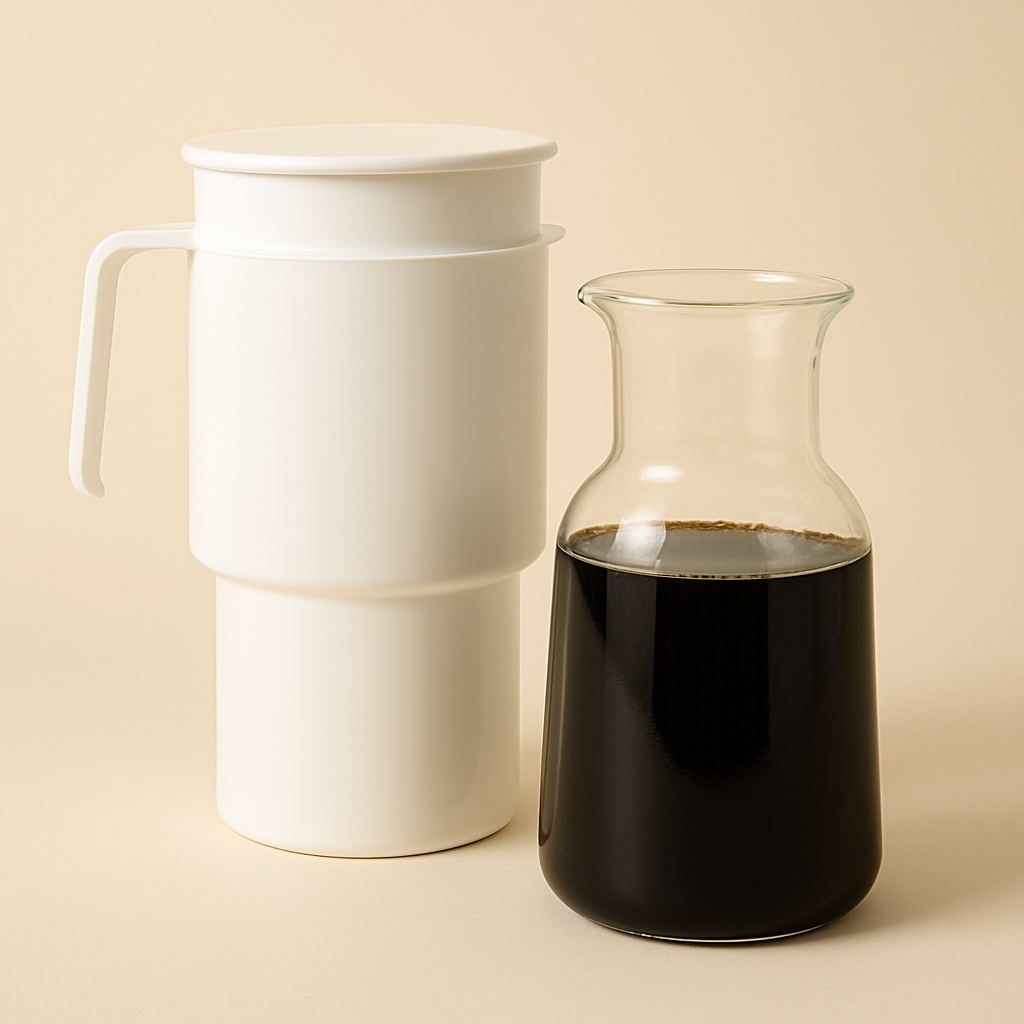
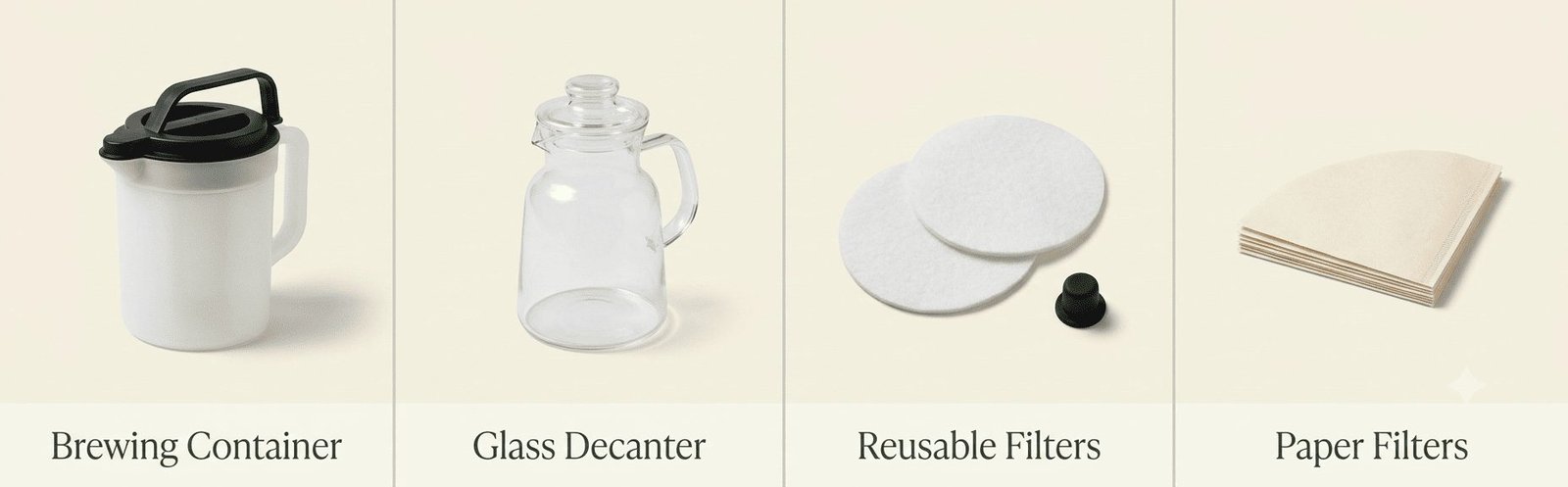
- Brewing container with handle
- Glass decanter with lid
- 2 reusable felt filters
- Rubber stopper
- Instructions and recipe guide
The system holds 1.8 liters and measures 12.5″ H x 7.25″ W x 7.25″ D, weighing about 670 grams.
It’s a fully manual, non-electric brewer — no plugs, no buttons, no moving parts to break, which is a big part of why it holds up so well over years of daily use. Because everything is either BPA-free plastic or glass, there’s also nothing here that degrades the way rubber gaskets or silicone seals on more complex machines eventually do — the one exception being the rubber stopper itself, which is inexpensive and simple to replace if it ever wears out.
Key Specs at a Glance
| Spec | Detail |
|---|---|
| Price | $44.95 |
| Yield per batch | 36–38 oz concentrate (~2 qt) |
| Steep time | 12–24 hours |
| Filter type | Reusable felt (paper filters also compatible) |
| Material | BPA-free plastic brewer + glass decanter |
| Dimensions | 12.5″ H x 7.25″ W x 7.25″ D |
| Weight | ~670 grams |
| Dishwasher safe | Brewer and decanter: yes (top rack). Felt filter: hand wash only |
| Rating | 4.7/5 (4,153+ ratings) |
Unboxing and First Impressions
Out of the box, the first thing that stands out is how little there actually is to the system.
- Brewing container: lightweight but doesn’t feel flimsy — the plastic is thick enough that it doesn’t flex or creak when full of water and grounds.
- Glass decanter: has a reasonably wide mouth, which makes pouring the concentrate out, and later washing the inside, much easier than a narrow-neck bottle.
- Felt filter: the one component that needs a bit of orientation the first time — it seats into a specific spot at the bottom of the brewer, with the rubber stopper underneath to seal the drain hole during steeping.
It takes about two minutes to understand the setup fully, and every batch after the first one takes closer to thirty seconds.
One small but appreciated detail: the included instructions also come with a basic recipe guide, covering the standard ratio as well as a couple of flavor variations. It’s not going to replace a dedicated recipe resource, but it’s enough to get a correct first batch going without having to look anything up.
How the Toddy Cold Brew System Works
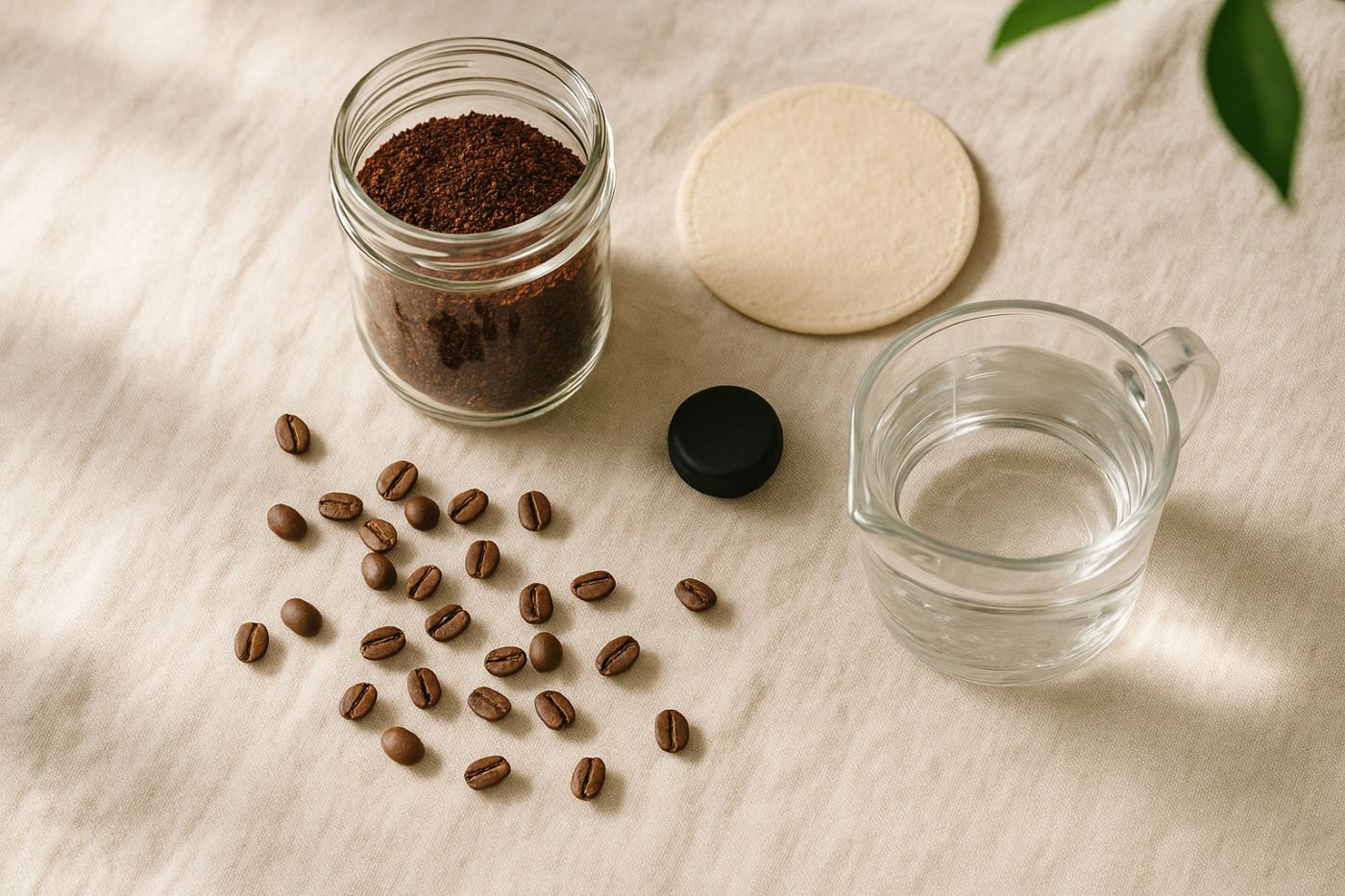
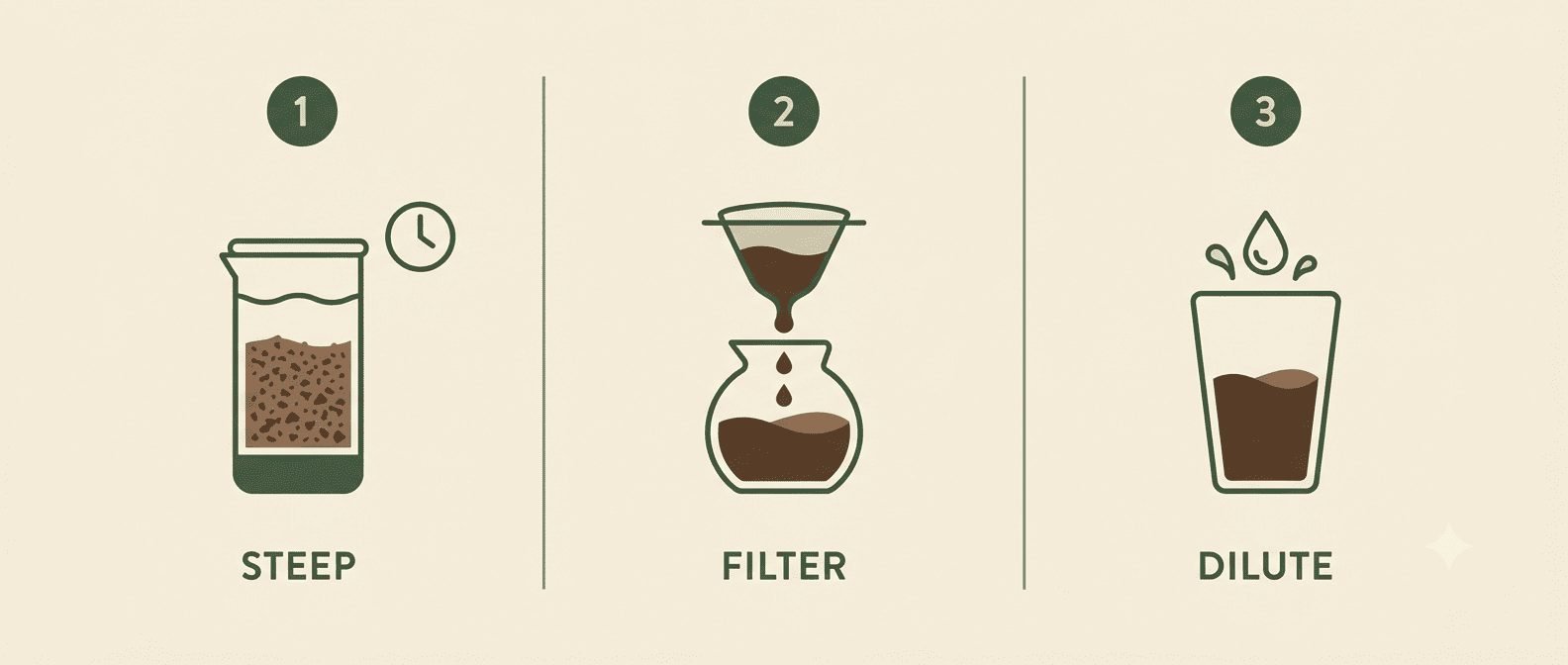
You add coarsely ground coffee and cold water to the brewing container, let it steep for 12–24 hours at room temperature or in the fridge, then release the stopper to filter the concentrate straight into the glass decanter.
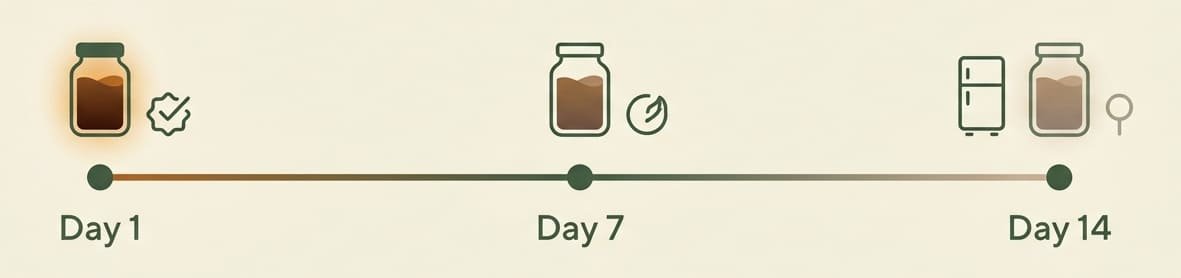
The result is a smooth, low-acid coffee concentrate — Toddy’s own data puts it at roughly 67% less acidic than traditional hot-brewed coffee. You dilute the concentrate with water, milk, or ice before drinking, and one batch typically yields 36–38 ounces of concentrate that keeps fresh in the fridge for up to two weeks.
Step-by-step: your first batch
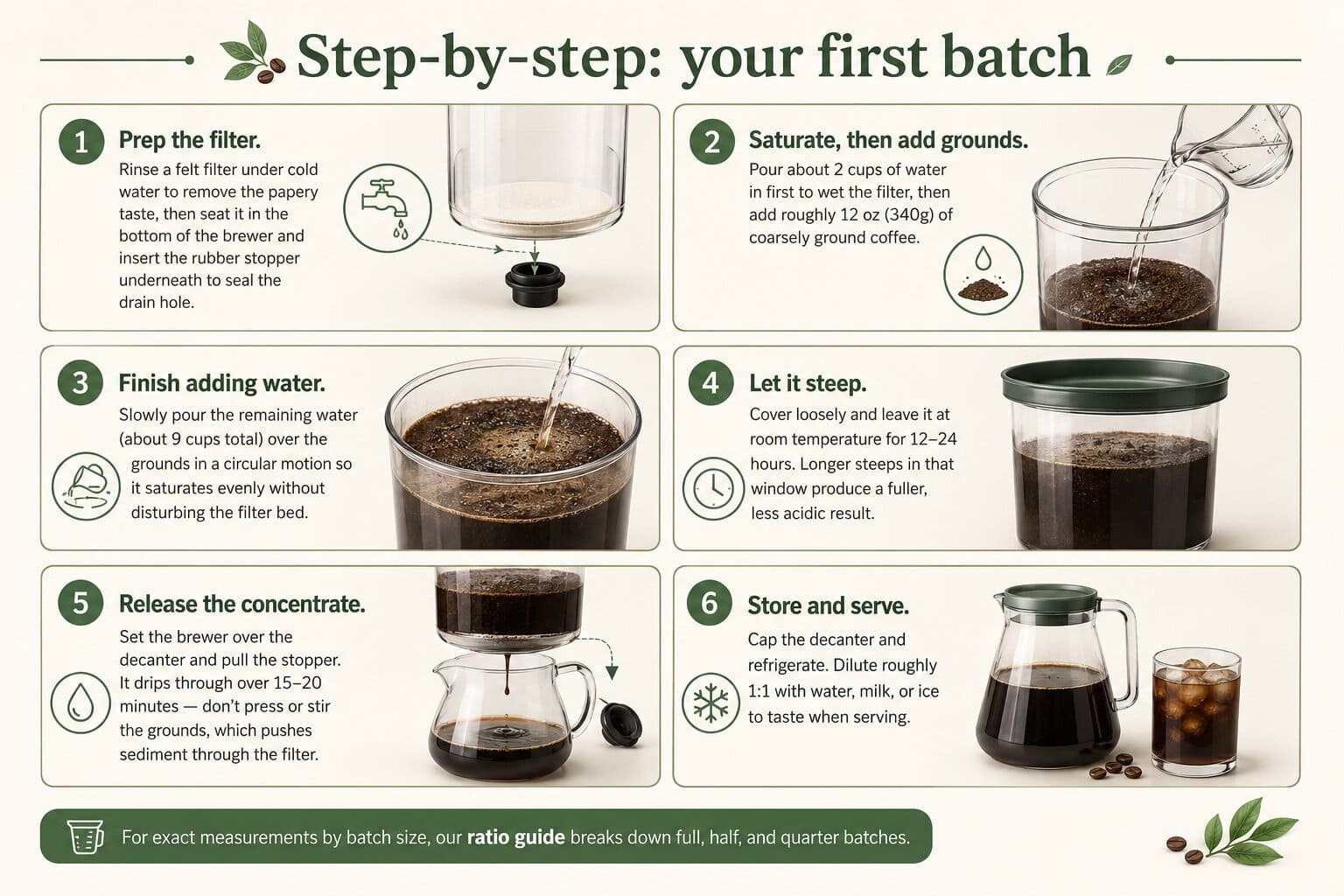
- Prep the filter. Rinse a felt filter under cold water to remove the papery taste, then seat it in the bottom of the brewer and insert the rubber stopper underneath to seal the drain hole.
- Saturate, then add grounds. Pour about 2 cups of water in first to wet the filter, then add roughly 12 oz (340g) of coarsely ground coffee.
- Finish adding water. Slowly pour the remaining water (about 9 cups total) over the grounds in a circular motion so it saturates evenly without disturbing the filter bed.
- Let it steep. Cover loosely and leave it at room temperature for 12–24 hours. Longer steeps in that window produce a fuller, less acidic result.
- Release the concentrate. Set the brewer over the decanter and pull the stopper. It drips through over 15–20 minutes — don’t press or stir the grounds, which pushes sediment through the filter.
- Store and serve. Cap the decanter and refrigerate. Dilute roughly 1:1 with water, milk, or ice to taste when serving.
For exact measurements by batch size, our ratio guide breaks down full, half, and quarter batches.
Ready to try it? Current price and stock status are on Amazon — the link below is checked and updated regularly.
Check Price →Cold Brew, Made Simple

The Process, Visualized
Stays Fresh for Up to Two Weeks
The Full Set, Visualized
How the Toddy Stacks Up Against Other Cold Brew Makers
| Toddy Cold Brew System | OXO Cold Brew Maker | Takeya Cold Brew Maker | |
|---|---|---|---|
| Price | $44.95 | ~$45 | ~$20 |
| Yield | 36–38 oz | 32 oz | ~28 oz |
| Filter type | Reusable felt | Built-in stainless mesh | Mesh lid filter |
| Sediment level | Lowest | Low-moderate | Moderate |
| Compare → | Compare → |
Against OXO’s cold brew maker, the core difference comes down to yield and filter type: Toddy makes more concentrate per batch and uses a felt filter that produces a cleaner cup, while OXO’s built-in stainless mesh filter means never having to buy or replace anything, at the cost of slightly more sediment in the final concentrate.
Against Takeya, the gap is more about budget versus batch size — Takeya is less than half the price but yields half as much concentrate and lets more fine sediment through its mesh lid filter.
If you’re weighing all three, our full Toddy vs. OXO and Toddy vs. Takeya breakdowns go deeper on each comparison.
What Verified Buyers Say
Patterns across thousands of Amazon reviews consistently point to the same handful of themes, and they split cleanly into what people like and what trips people up.
What buyers consistently praise
- Noticeably smoother, less acidic concentrate than drip or other cold brew methods
- Felt filter produces a cleaner cup than paper once buyers get the hang of it
- Large batch size saves time vs. brewing every day or two
- Plastic brewer and glass decanter show very little wear after years of use
- Several long-time users say the smoother taste needs less cream and sugar than their old drip coffee, which they noticed added up over time
- Works equally well hot or iced, and more than one buyer has said the concentrate beats their usual coffee-shop order on flavor
What buyers consistently flag
- Filter care is the #1 complaint — skipping rinse/air-dry leads to mold issues
- First-timers underestimate the steep time (no same-morning batches)
- Some wish the decanter had a built-in spigot
- A small number of buyers report the glass decanter becoming fragile or prone to chipping after roughly 15–20 uses, so it’s worth handling it as carefully as any other glass carafe
Line these complaints up against Toddy’s own care instructions and they match almost exactly. That’s telling. Nearly every one-star review we found traces back to a skipped maintenance step, not a flaw in the product.
Recipe Variations Worth Trying
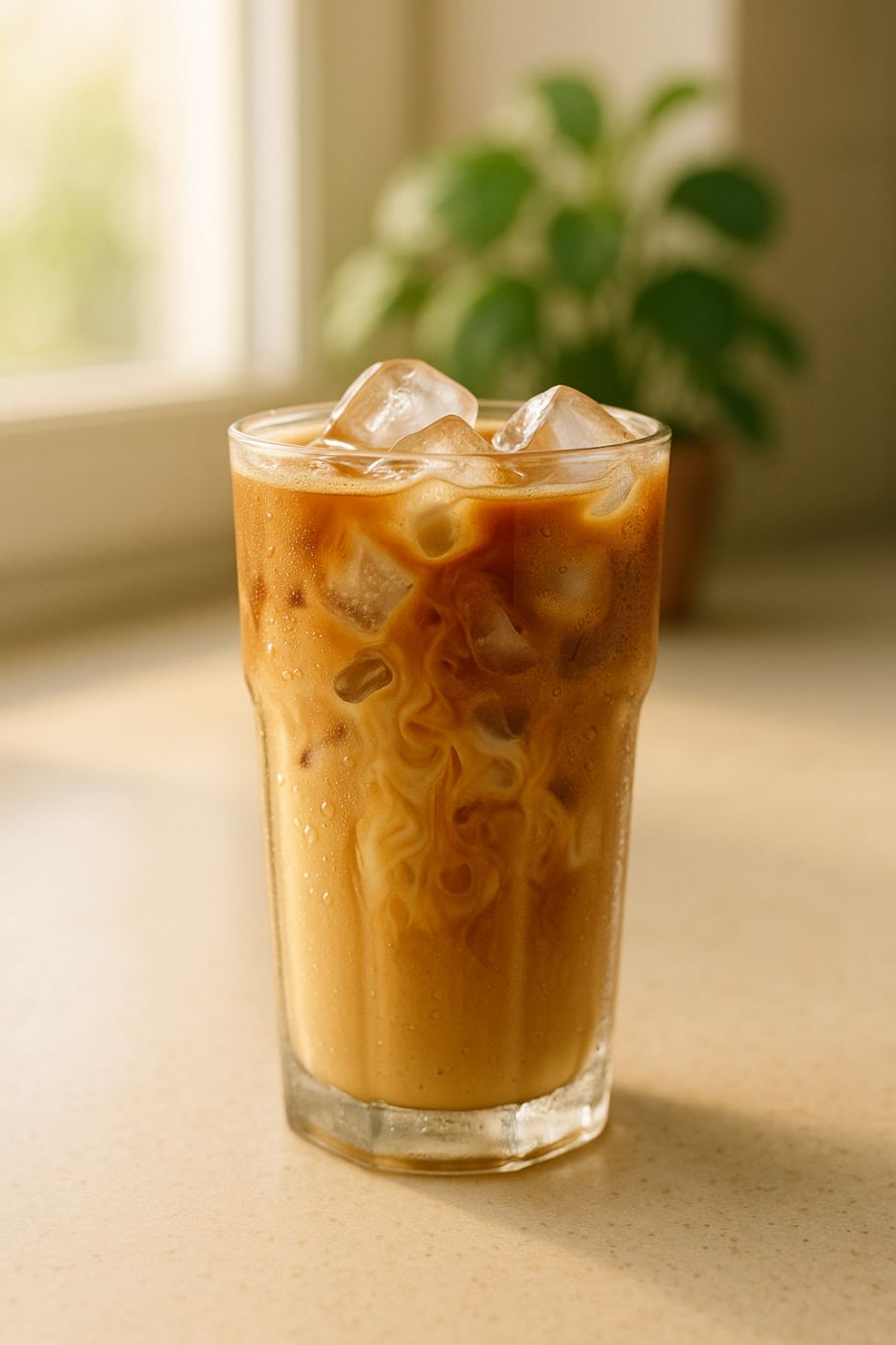
Once you’ve got a standard batch down, there’s room to adjust the ratio and serving style depending on what you’re after:
- Standard concentrate: 1:4 coffee-to-water ratio by weight, diluted roughly 1:1 with water or milk when serving.
- Stronger cold brew for espresso-style drinks: steep closer to the full 24 hours and dilute less aggressively, closer to 2 parts concentrate to 1 part milk, for a cortado-style drink.
- Iced coffee latte: mix concentrate with cold milk (dairy or oat both work well) over ice, adjusting sweetness separately since the concentrate itself carries very little bitterness to mask.
- Hot cold-brew: despite the name, diluting concentrate with hot water instead of cold produces a smooth, low-acid hot coffee — useful if you’ve made a big batch and want variety without brewing a second way.
Our full ratio guide and step-by-step recipe walkthrough cover exact measurements for each batch size.
Why 12–24 Hours? The Steep Time Explained
The steep window isn’t arbitrary.
- 12 hours: a lighter, brighter concentrate — fine if you drink it mostly black.
- Toward 24 hours: you pull more oil and body from the grounds, which holds up better once you cut it with milk or ice.
- Past 24 hours: you’re not gaining much — extraction has already plateaued, so you’re mostly just risking extra bitterness.
Most people we’d trust land somewhere around 18–20 hours. Your mileage will vary — brew a few batches at different lengths in your first couple of weeks and settle on what you actually like, rather than following one number blindly.
Storage, Shelf Life, and Batch Planning
Once brewed, concentrate keeps for up to two weeks refrigerated in a sealed container — the glass decanter’s lid is enough if you’re using it within a few days, though transferring to an airtight bottle extends freshness slightly toward the two-week mark.
A single batch yields nearly 40 ounces of concentrate. Most single-person households find that brewing roughly once a week keeps a steady supply. For two or more regular drinkers, twice-weekly batches — staggered so a fresh one is ready as the previous one runs low — tends to work better than stretching one batch across a whole household for two weeks.
A Note on Waste and Ongoing Cost
Because the felt filter is reusable for dozens of batches rather than single-use, the Toddy system produces meaningfully less ongoing waste than paper pod or single-serve cold brew systems, where every batch means a new disposable filter or cartridge in the trash.
If sustainability factors into your decision alongside cost and flavor, this is worth weighing: over a year of regular use, the difference between a handful of felt filter replacements and hundreds of disposable pods adds up both financially and in landfill.
Toddy Concentrate vs. Store-Bought Cold Brew
It’s worth comparing home-brewed Toddy concentrate against the bottled cold brew sold at most grocery stores, since that’s the realistic alternative for a lot of buyers.
- Store-bought: zero setup time, but a real premium per ounce, and no control over roast, origin, or freshness — you’re drinking whatever the brand brewed, often weeks or months earlier.
- Home-brewed with a Toddy: you control the bean, roast, grind, and ratio, and you’re drinking it within two weeks of brewing rather than however long it sat on a shelf.
The tradeoff comes down to time: store-bought wins on convenience, home-brewed wins on cost, freshness, and control — and for most people who end up buying a Toddy, that tradeoff is the whole point.
Best Coffee Beans to Use
The Toddy system is fairly forgiving of bean choice, but a few guidelines make a noticeable difference.
- Medium to medium-dark roasts produce the most balanced concentrate. Very light roasts can taste thin and underdeveloped when cold-extracted, since the brighter, more delicate flavors don’t come through as clearly at lower temperatures.
- Very dark, oily roasts work well too, but can push toward bitterness if steeped at the longer end of the window.
- Single-origin beans with chocolatey or nutty notes (Brazilian, Colombian, many Central American coffees) tend to shine, since those flavors survive extraction better than the bright, fruit-forward notes typical of light-roast African beans.
Whatever you choose, freshness matters more than origin — beans ground more than a week or two before brewing lose enough aromatic complexity that even a perfect steep won’t fully make up for it. Our full bean guide and grind size guide go deeper on both fronts.
A Day in the Life: Fitting Toddy Into Your Routine
The steep time is the one real adjustment to make, and most regular users settle into a simple rhythm within the first week or two.
A common pattern: start a new batch before bed on, say, a Sunday night, and by Monday evening it’s ready to filter and refrigerate. From there, that single batch covers morning coffee through the following weekend for one regular drinker, at which point you start the next batch a day or so before the current one runs out so there’s no gap.
Because the brewing itself takes only a few active minutes (measuring, grinding, and pouring), the 12–24 hour steep isn’t something you’re managing throughout the day — it’s just sitting on the counter or in the fridge while you go about your normal routine, which is really the appeal of an immersion brewer over anything that demands active attention.
What We’d Change
Two things bug us. No spigot on the decanter, so you’re pouring straight from the glass carafe or decanting into something else — buyers coming from OXO’s model notice this immediately and miss it. And the felt filter, for all the flavor benefit, is a standing chore. Rinse it, dry it, deep-clean it weekly. A mesh filter you just rinse and forget. Fair tradeoff for the taste difference, but call it what it is: ongoing work, not a one-time setup.
Felt vs. Paper Filters: Which Should You Use
The Toddy system ships with reusable felt filters but is also compatible with disposable paper filters, and the choice between them comes down to flavor preference versus convenience.
- Felt filters: let slightly more of the coffee’s natural oils through, producing a fuller-bodied, richer concentrate that’s closer to what most people picture when they think of “cold brew.”
- Paper filters: produce a lighter, cleaner cup closer to drip coffee, and they’re the faster option if you’d rather not wash and air-dry a felt filter between every batch.
Neither is objectively better — buyers who prioritize the smoothest, richest possible concentrate tend to stick with felt despite the extra care, while buyers who brew less frequently or want a faster cleanup workflow often prefer keeping a box of paper filters on hand instead. It’s entirely reasonable to keep both on hand and switch depending on how much time you have between batches.
Recommended Accessories
A few extras tend to come up again and again alongside the Toddy system — mostly around keeping filters fresh and dialing in your brew:
- Replacement felt or paper filters. Felt filters wear out after repeated use, so it helps to know the signs. See our filter replacement guide for when and how to swap them.
- A kitchen scale. Since the ideal brew comes down to a 1:4 coffee-to-water ratio by weight, a basic scale makes it far easier to hit consistently — see our ratio guide for exact numbers by batch size.
- A second felt filter. Keeping a spare on hand (drying while the other is in use) is the single easiest fix for the mold complaints covered in our mold prevention guide.
Maintenance and Troubleshooting
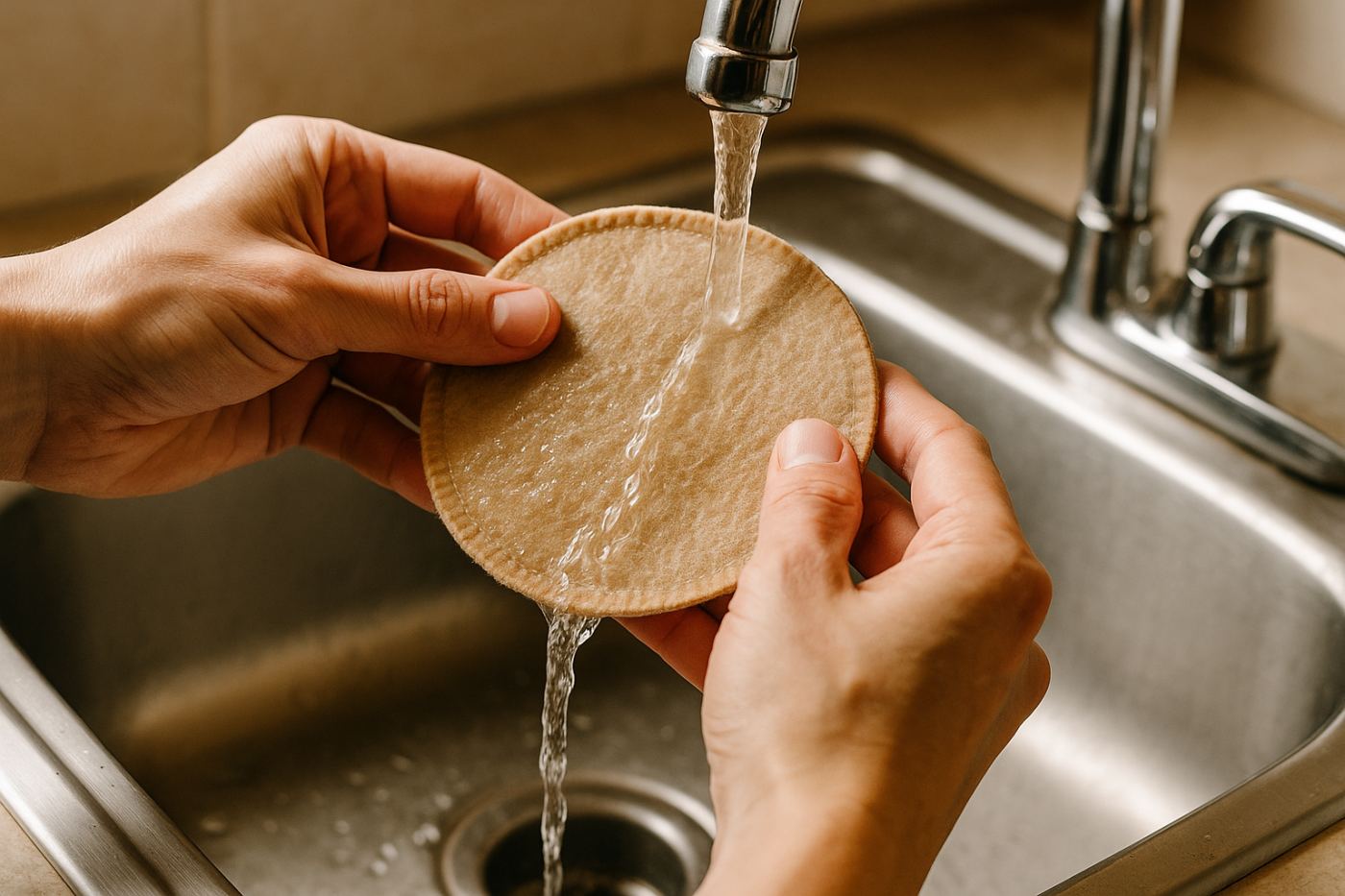
Care for the Toddy system is simple but not optional — nearly every negative review traces back to a skipped maintenance step rather than a design flaw.
- After every batch: rinse the felt filter thoroughly under cold water until it runs clear, working the grounds out by hand. Never use soap on it — felt absorbs detergent and will taint your next batch.
- Once a week: a deep clean with a baking soda and warm water soak (about 1 tablespoon to 2 cups of water, 15 minutes) keeps the filter fresh and mold-free.
- Always: let the filter fully air dry before storing it — sealing a damp filter in a closed container is the most common cause of the mold complaints that show up in negative reviews.
A felt filter typically holds up for 60–80 batches with this kind of care, which works out to a few months of regular use before it needs replacing. Our dedicated cleaning guide and mold troubleshooting guide go through this in more depth, including exactly what to do if you’re already dealing with a musty smell or visible spotting.
Value for Money: Is It Actually Worth $44.95?
At $44.95 upfront plus occasional felt filter replacements (a few dollars every few months), the Toddy works out to well under $1 per cup if you’re brewing full batches regularly — compared to $4–6 for a bottled or coffee-shop cold brew of similar size.
Run the numbers over a year: even at a conservative one batch per week, you’re looking at roughly 50 batches producing well over 1,800 ounces of concentrate for the cost of the brewer plus two or three filter replacements, versus what the equivalent volume would cost buying cold brew pre-made.
That math is the real reason the price tag holds up under scrutiny — it isn’t the cheapest cold brew maker on the market, but it’s one of the few where the ongoing cost per batch drops close to zero once you own it, since there’s no proprietary pod, cartridge, or subscription involved.
It’s also worth comparing that math against what a daily coffee-shop habit costs. Someone buying a $5 cold brew three or four times a week is spending $60–$80 a month before any home equipment at all — enough to pay for a Toddy system outright inside the first month.
Every batch after that costs a small fraction of a coffee-shop price. Even accounting for beans, water, and the occasional filter replacement, the total cost of brewing at home with a Toddy over a year comes in dramatically lower than maintaining even a modest out-of-house cold brew habit — which is ultimately the strongest financial argument for buying one if you’re already a regular cold brew drinker.
How We Evaluated This Product
This review is built from three sources: the manufacturer’s published specifications and materials data, cross-referencing pricing and availability directly on Amazon, and reading through a large sample of verified buyer reviews looking specifically for recurring patterns rather than isolated complaints or outlier praise.
Where a claim comes from Toddy’s own marketing (like the 67% less acidic figure), we’ve noted that explicitly rather than presenting it as independently verified lab data.
Our goal with this format is to give you the same level of detail you’d get from unboxing and living with the product for a few weeks, without asking you to take a single five-star review or a single one-star complaint as representative of the average experience.
Common Mistakes First-Time Buyers Make
A few avoidable mistakes come up repeatedly in reviews and forum discussions, and knowing them ahead of time will save you a wasted first batch or two:
- Grinding too fine. Using a drip or espresso grind instead of a coarse, French-press-style grind is the single most common cause of a clogged filter and a gritty, over-extracted concentrate.
- Stirring or pressing the grounds during filtering. It’s tempting to speed up the drip by pressing down on the grounds bed, but this pushes fine sediment straight through the felt filter and into your concentrate.
- Sealing a damp filter for storage. As covered in the maintenance section above, this is the leading cause of mold complaints, and it’s entirely avoidable with a few extra minutes of air-drying time.
- Under-steeping because of impatience. Pulling the batch at 8–10 hours instead of the recommended 12–24 produces a noticeably weaker, more sour result, since the extraction simply hasn’t finished.
- Serving the concentrate undiluted. First-time users sometimes drink the concentrate straight, find it overwhelmingly strong, and assume something went wrong — it’s designed to be cut roughly 1:1 with water, milk, or ice.
- Using stale, pre-ground beans. Reviewers who buy whole beans and grind fresh within a few days of roasting consistently report a noticeably better cup than those using grocery-store pre-ground coffee.
- Overfilling before covering the steep. If the grounds and water sit right at the rim, loosely covering with plastic wrap can cause the coffee to rise and overflow — leave a bit of headroom, especially on a full batch.
Frequently Asked Questions
For anyone who drinks cold brew more than once or twice a week, yes. At $44.95 it pays for itself quickly compared to bottled concentrate or coffee-shop cold brew, and the felt filter produces a noticeably smoother, less acidic cup than most drip-through alternatives. See our full buying breakdown for edge cases.
With proper care (rinsing filters, avoiding harsh detergents), the brewing container and decanter can last for years. Filters typically need replacing every few months of regular use — see our filter replacement guide.
Yes, but a coarse grind (similar to French press) works best. Fine grinds can clog the filter and lead to sediment in your concentrate.
The glass decanter and plastic brewing container are generally safe on the top rack. The felt filter should never go in the dishwasher — hand rinse it after every use.
The concentrate is stronger than drip coffee before dilution. See our full caffeine content breakdown for exact numbers.
Heat accelerates the extraction of certain acidic compounds and oils from coffee grounds. Brewing cold slows that extraction down significantly, so cold brew concentrate ends up measurably less acidic than coffee brewed hot from the same beans.
A full batch uses about 12 ounces (340g) of coarsely ground coffee to 9 cups (roughly 2,100ml) of cold water, following a 1:4 ratio by weight. See our ratio guide for half and quarter batch measurements.
See our dedicated guide on using a Toddy for tea for what works and what to adjust.
Genuine Toddy felt filters (sold in multi-packs) are the safest bet for a proper seal and consistent results. Our filter replacement guide covers felt vs. paper options and where to find them.
A French press can make a rough approximation of cold brew, but the metal mesh filter lets through far more sediment than Toddy’s felt filter, and French press carafes are sized for single servings rather than a multi-day batch. See our full Toddy vs. French Press comparison.
Yes — the brewer works fine with a half or quarter batch, scaling the coffee and water down proportionally while keeping the same 1:4 ratio. Steep time and process stay the same regardless of batch size.
The classic system reviewed here is the standard full-size brewer. Toddy also makes a smaller, more portable version aimed at travel or single servings, though the core immersion-brewing mechanism is the same across both.
Our Verdict
$44.95, 4.7 stars, over 4,000 ratings. Not the cheapest cold brew maker you can buy. But it’s the one people keep coming back to after trying the others. Commit to the 12–24 hour wait and a few minutes of filter care each week, and batch for batch, almost nothing else gets you cheaper, smoother cold brew.
Check current price & availability on Amazon →As an Amazon Associate, we earn from qualifying purchases.