 Cold Brew At Home
Mold in a cold brew maker almost always comes down to one thing: a felt filter that got sealed away before it was fully dry. It’s the most common complaint in cold brew maker reviews, and it’s also one of the most preventable. Here’s what causes it, how to fix it if you’re already dealing with it, and how to make sure it doesn’t come back.
Why It Happens
Mold needs three things to grow: moisture, organic material, and time. A felt filter checks every box if it’s put away damp — it holds residual coffee oils (organic material), retains water in its fibers longer than you’d expect (moisture), and if it’s sealed in a drawer or container, it sits undisturbed for days between uses (time). This is why the felt filter specifically is almost always the source, rather than the plastic brewer or glass decanter, which dry quickly and don’t hold onto residue the same way.
If You’re Already Dealing With It
Don’t try to clean mold out of a felt filter and keep using it. The fibers can trap spores in ways a surface rinse or even a baking soda soak won’t fully resolve, and it’s not worth risking your next batch over the cost of a new filter. Replace it. The plastic brewing container and glass decanter, on the other hand, are safe to thoroughly wash and reuse — a run through the dishwasher or a good scrub with hot soapy water is enough for those parts.
The Fix Going Forward
1. Rinse after every single batch
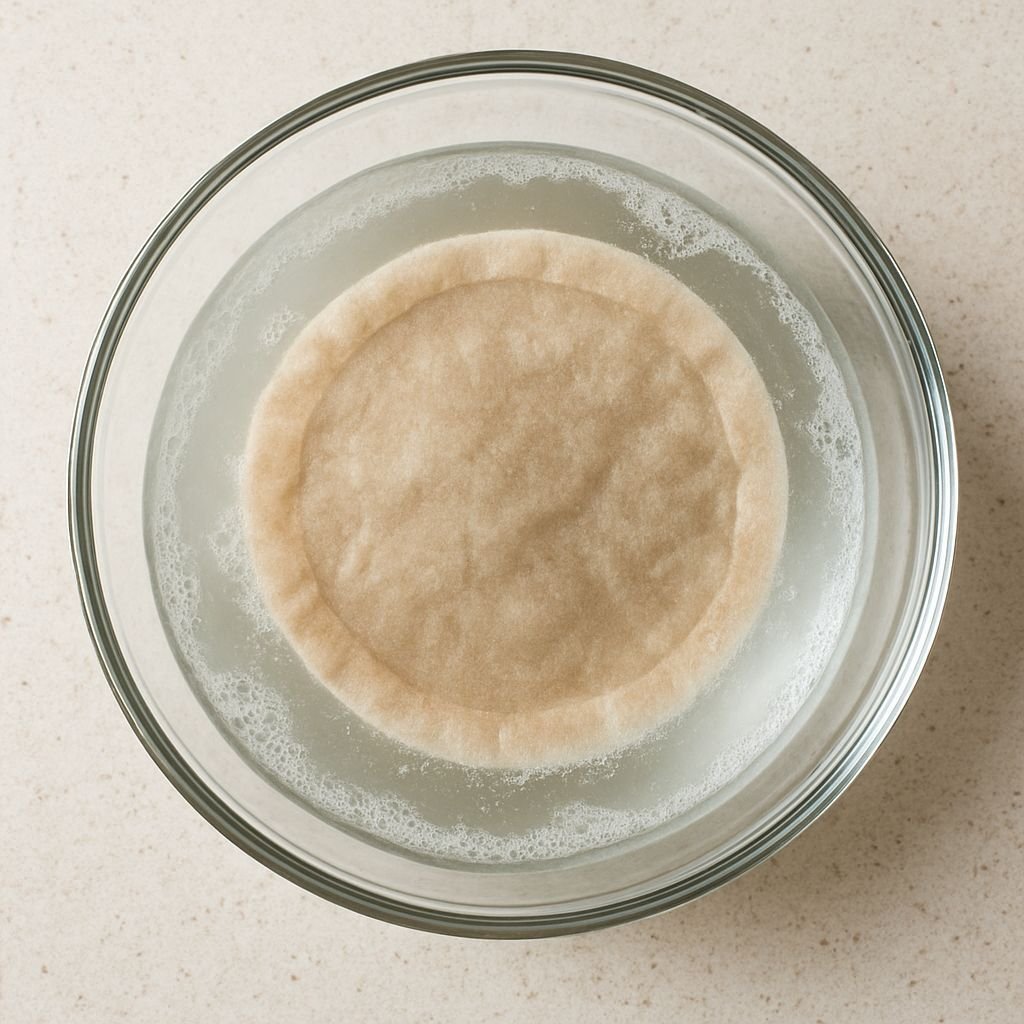
Work the used grounds out under cold water until it runs clear. This alone removes most of the organic material mold would otherwise feed on. Never use soap — felt absorbs it and residue will taint your next batch’s flavor.
2. Dry it completely before storing
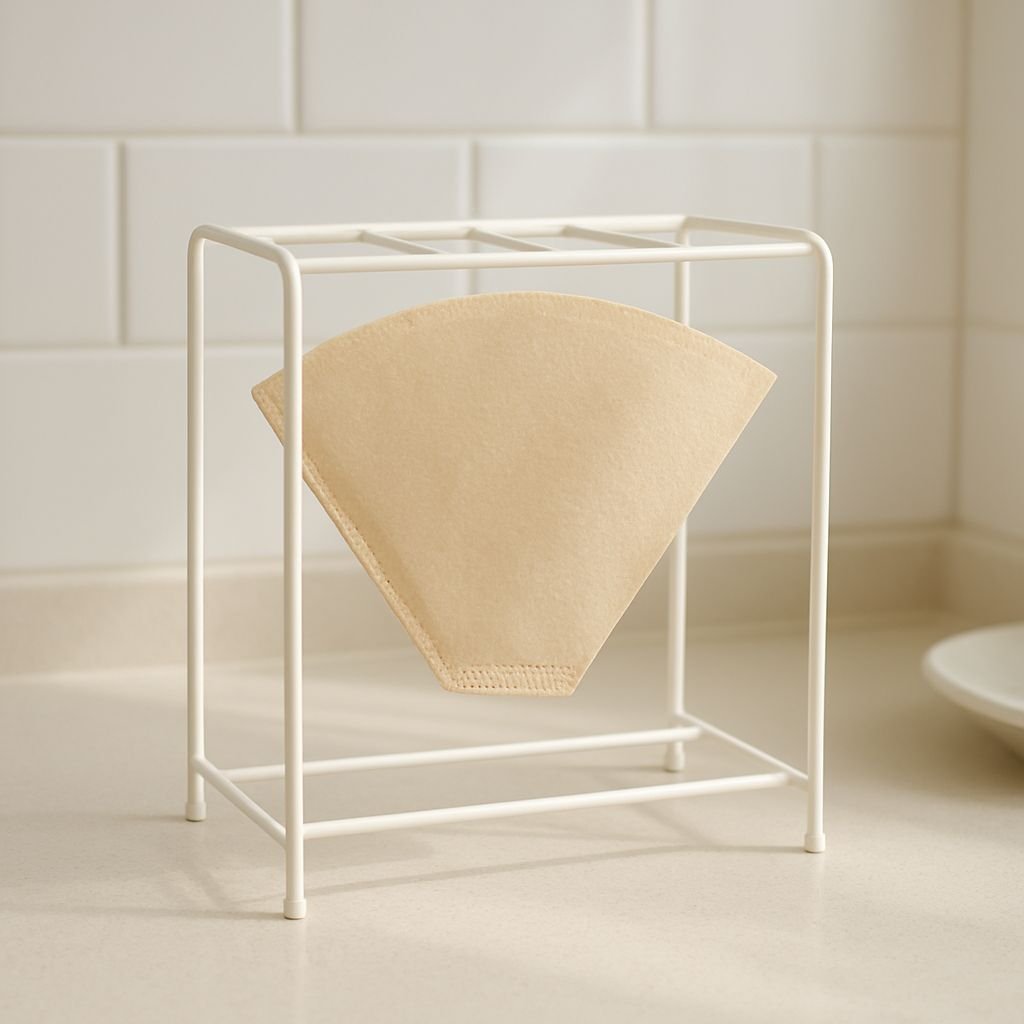
This is the step that actually prevents mold. Lay the filter flat or hang it somewhere with airflow, and give it real time — several hours, not just until the surface feels dry. A filter that looks dry on the outside can still be damp in the middle of the felt, which is exactly where mold gets started unnoticed.
3. Weekly deep clean
Soak the filter in 1 tablespoon of baking soda dissolved in 2 cups of water for 15 minutes. This lifts oils a plain rinse leaves behind and keeps the felt smelling fresh rather than musty between deep cleans.
4. Keep two filters in rotation
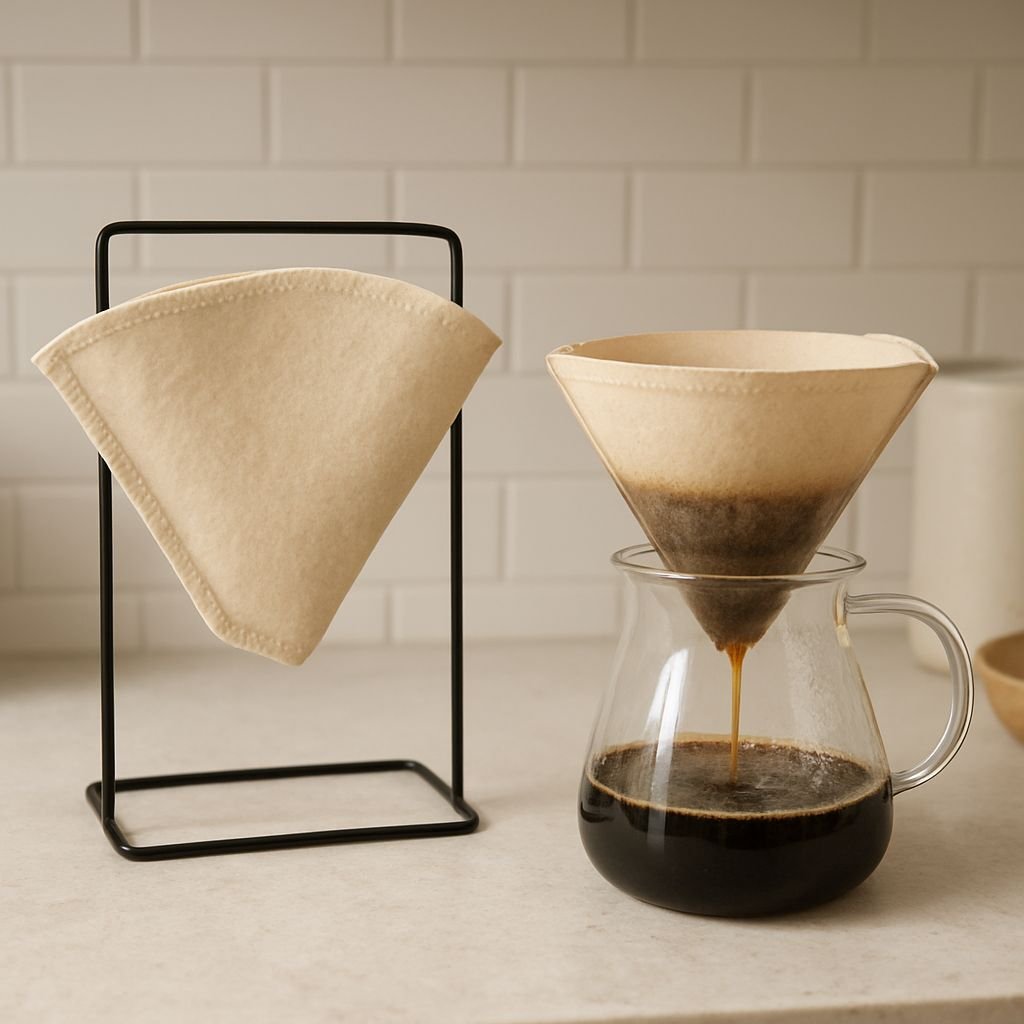
If you’re brewing daily or every other day, one filter often doesn’t have enough time to fully dry between batches. Keeping a second filter means one is always drying completely while the other is in use — this single change eliminates the time pressure that leads to storing a filter before it’s ready.
Is It Safe to Keep Drinking From an Affected Maker?
Once you’ve replaced the moldy filter and thoroughly cleaned the brewer and decanter, the system is safe to use again. The concern is specifically the felt filter itself, not the whole system — there’s no reason to replace the brewer or decanter over a filter issue.
FAQ
Why does mold grow in a cold brew maker?
Mold needs moisture, organic material, and time. A felt filter sealed away damp with leftover coffee oils has all three. Almost every case comes down to storing a filter before it’s fully dry.
Is it safe to keep using a cold brew maker that had mold?
Replace the felt filter rather than trying to clean it — the fibers can hold spores a surface clean won’t remove. The plastic brewer and glass decanter can be washed thoroughly and reused safely.
How do I stop mold from coming back?
Rinse after every batch, dry completely before storing, deep-clean weekly with baking soda, and consider rotating two filters if you brew often.
Bottom Line
Mold is almost always a drying problem, not a brewing problem. Fix the drying step and it won’t come back. For the complete care routine beyond just mold prevention, see our full cleaning guide.