 Cold Brew At Home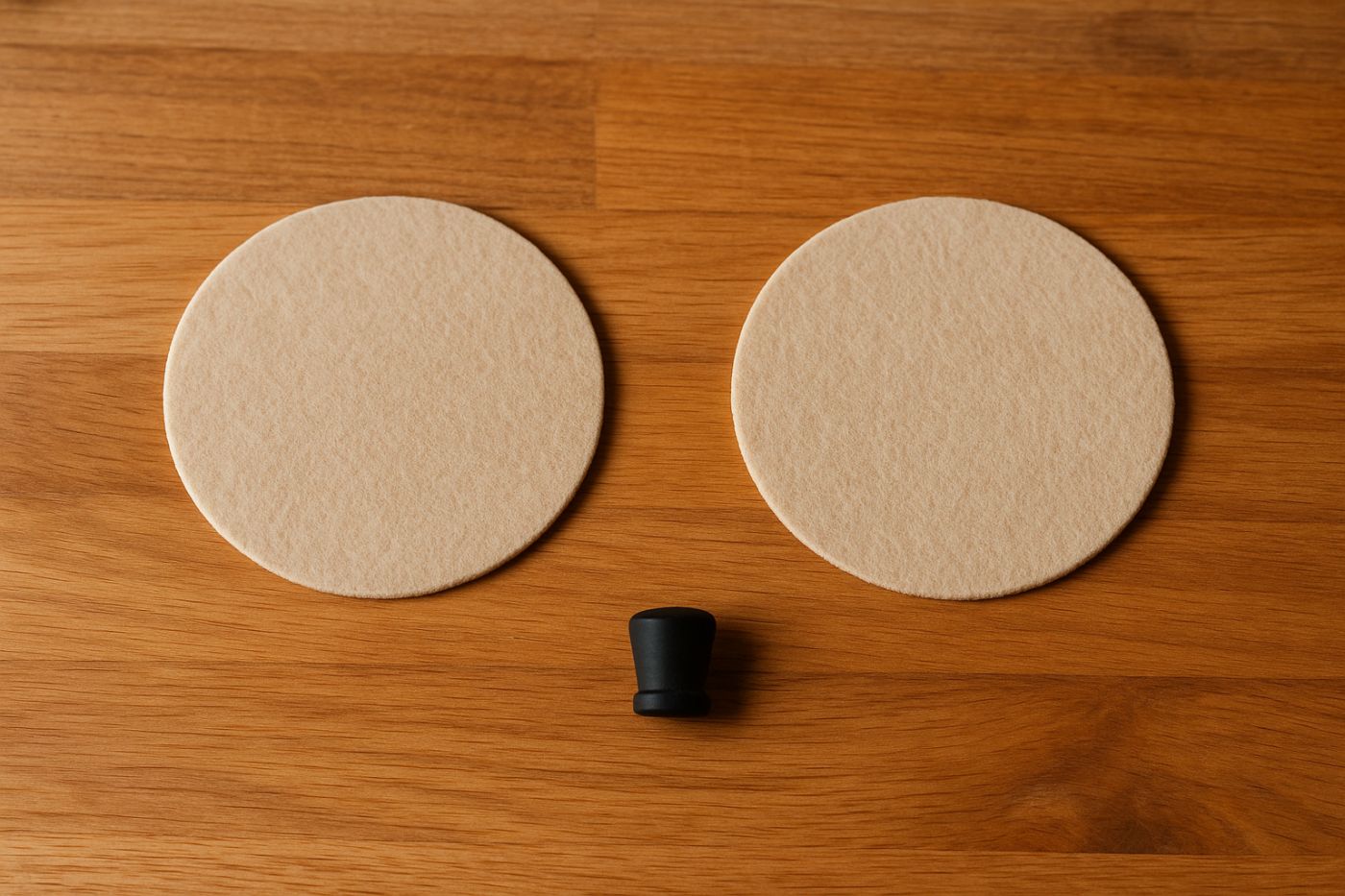
A Toddy felt filter is a wear item, not a lifetime part — expect to replace it every few months with regular use. Here’s how to know when it’s time, whether to stick with felt or switch to paper, and how to swap one in.
How Long a Felt Filter Lasts
With proper rinse-after-every-batch and air-dry care, a felt filter typically holds up for 60–80 batches. For someone brewing once a week, that’s over a year; for daily brewers, closer to two to three months. The exact number varies with how consistently you clean it — see our cleaning guide for the routine that gets you the longer end of that range.
Signs It’s Time to Replace
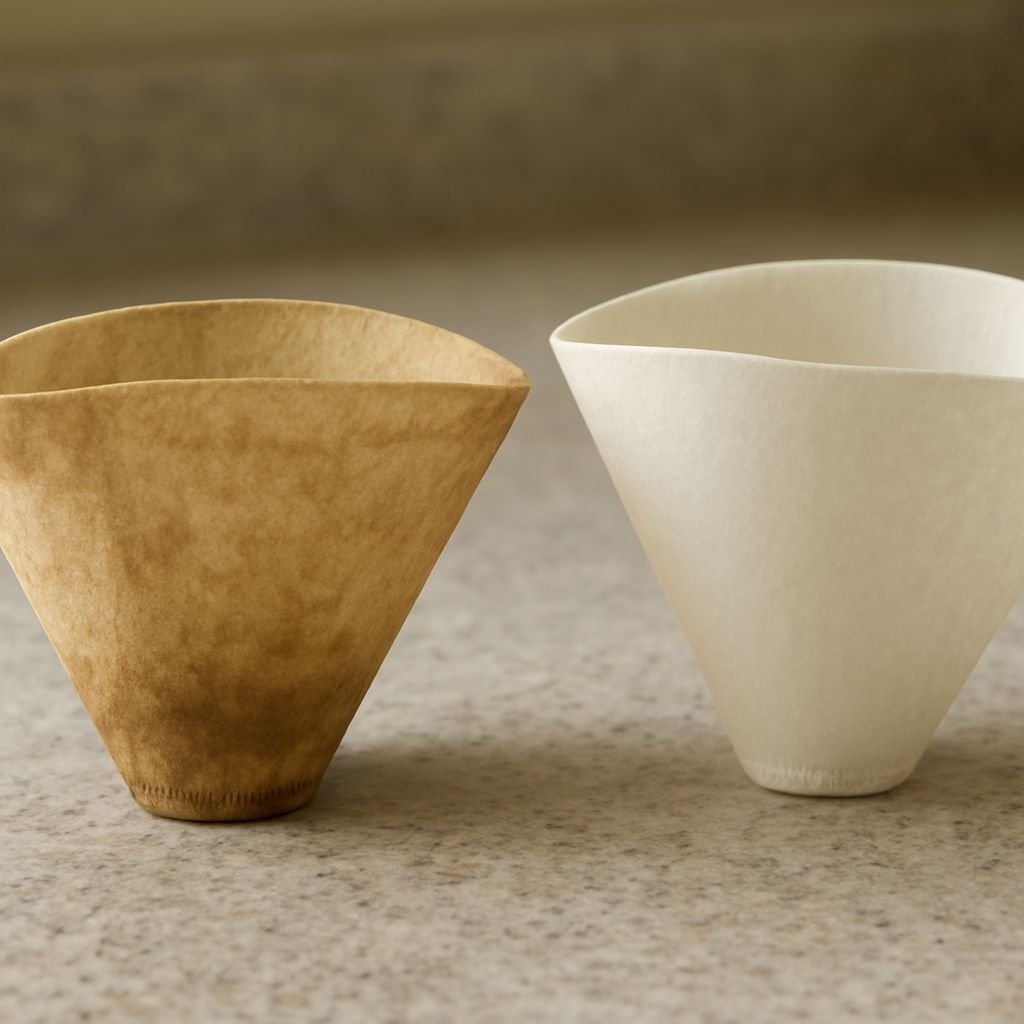
- Persistent musty smell that doesn’t go away after a baking-soda deep clean
- Visible thinning or fraying of the felt fabric
- More sediment in your cup than when the filter was new
- Slower drip time than usual, suggesting the felt has become clogged at a fiber level that rinsing can’t fully clear
Don’t wait until a filter is visibly falling apart — a filter past its useful life produces a noticeably worse cup well before it looks obviously worn.
Felt vs. Paper: Which Should You Use?
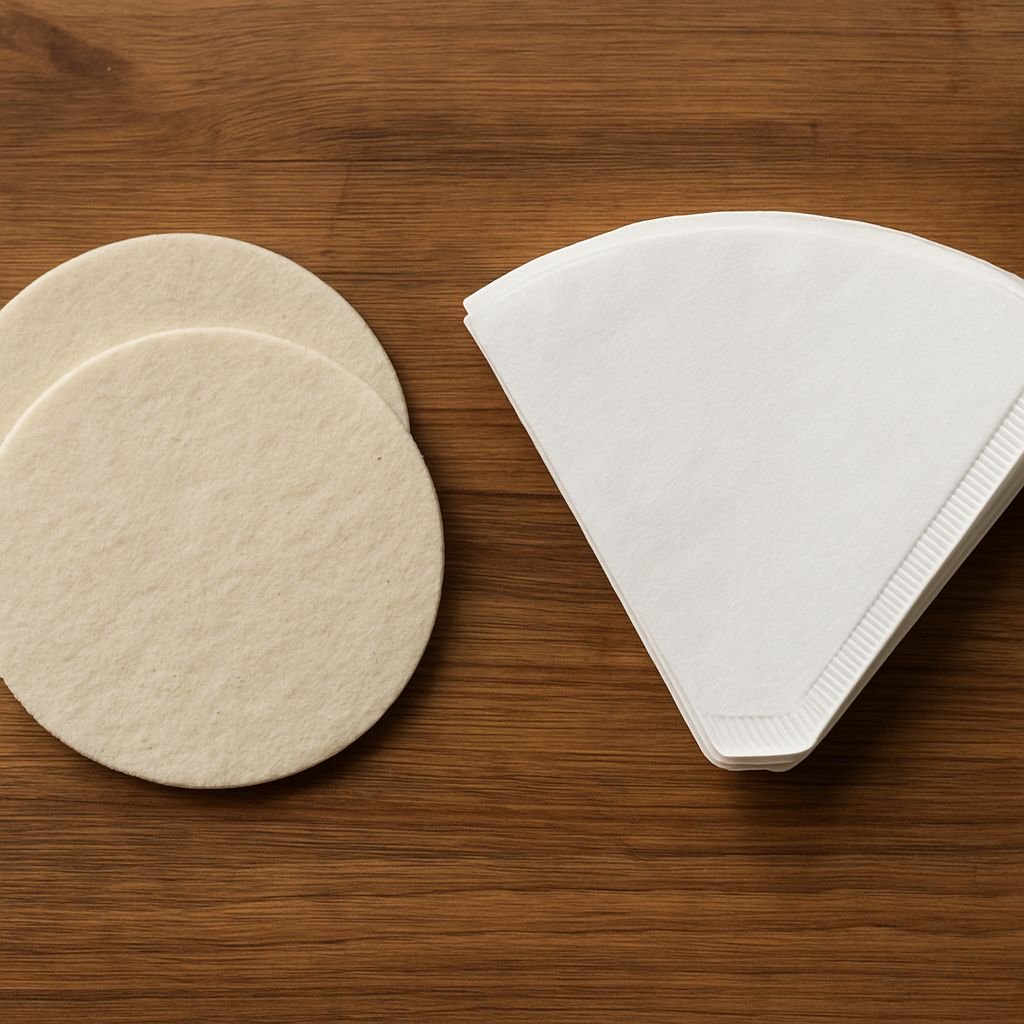
The Toddy system works with both. Felt lets slightly more of the coffee’s natural oils through, producing a fuller-bodied, richer concentrate closer to what most people picture when they think “cold brew.” Paper filters produce a lighter, cleaner cup closer to drip coffee, and they’re the faster option if you’d rather not wash and air-dry felt between batches — use once and toss.
| Felt | Paper | |
|---|---|---|
| Flavor | Fuller-bodied, more oils retained | Lighter, cleaner, closer to drip coffee |
| Reusable | Yes, ~60-80 batches | No, single-use |
| Maintenance | Rinse + air-dry after every batch | None — just discard |
| Ongoing cost | A few dollars every few months | Small cost per batch, adds up over time |
Neither is objectively better. Buyers who prioritize the richest possible concentrate tend to stick with felt despite the extra care; buyers who brew less often or want a faster cleanup workflow often prefer paper. It’s reasonable to keep both on hand and switch depending on how much time you have.
How to Install a New Filter
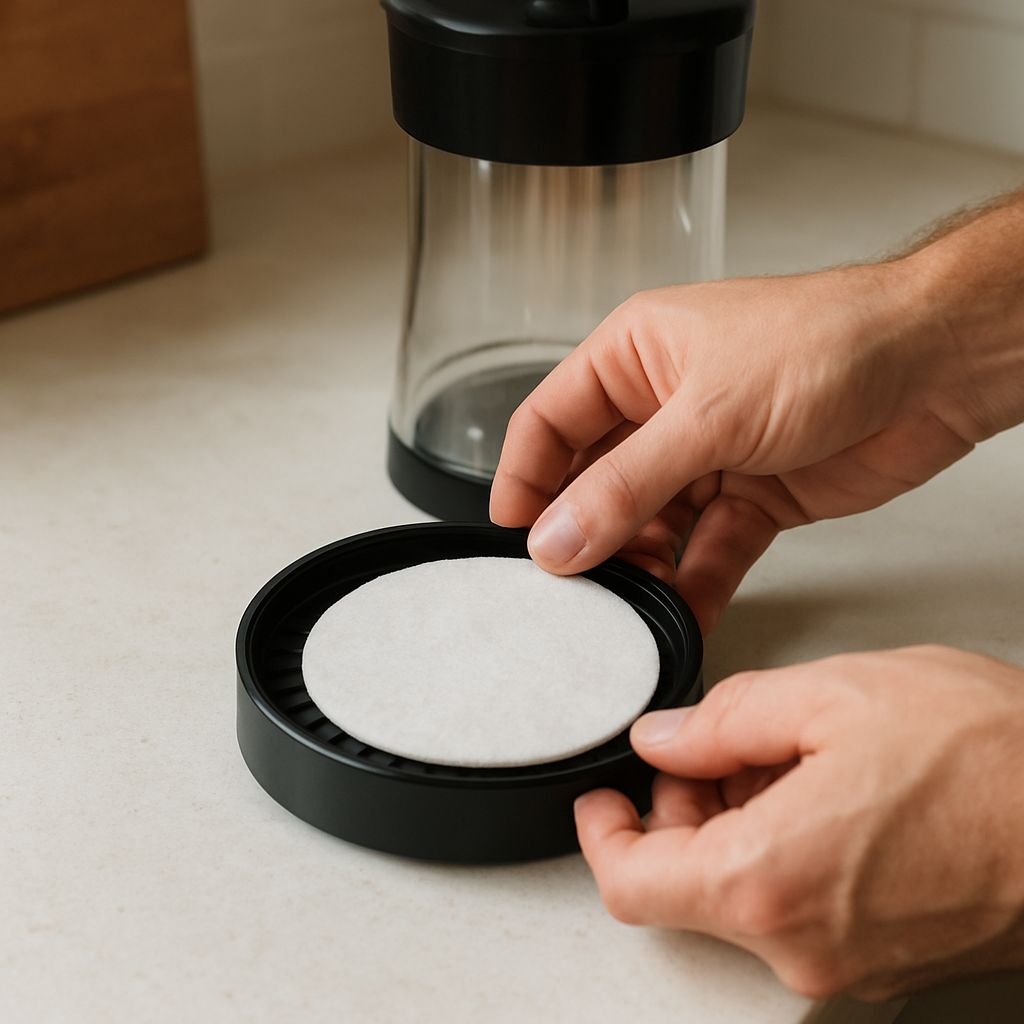
Rinse the new felt filter under cold water briefly before first use to remove any papery taste from packaging. Seat it flat in the bottom of the brewing container — it should lie smooth with no folds or bunching. Insert the rubber stopper underneath from outside the brewer to seal the drain hole. If the stopper doesn’t seem to seal properly, the filter usually isn’t sitting flat; remove both and try again, smoothing the felt down first.
Where to Buy Genuine Replacement Filters
Genuine Toddy felt filters, sold in multi-packs, are the safest choice for a proper seal and consistent sizing — off-brand filters can vary slightly in size and fit loosely, letting more sediment through around the edges. They’re widely available on Amazon and through Toddy’s official retailers. Buying a multi-pack up front means you’re never caught without a spare when your current filter wears out.
FAQ
How often do I need to replace my Toddy felt filter?
Typically 60–80 batches with proper care — a few months of regular use. Replace sooner if you notice a musty smell, fraying, or more sediment than usual.
Should I switch to paper filters instead of felt?
Paper is lighter and needs no washing; felt produces a fuller-bodied cup but needs regular care. It’s a taste and convenience tradeoff, not a right-or-wrong choice.
Where can I buy genuine Toddy replacement filters?
Genuine felt filters, sold in multi-packs, are available on Amazon and through Toddy’s official retailers — worth choosing over off-brand alternatives for a proper seal.
Bottom Line
Budget for a filter replacement every few months if you’re brewing regularly, keep a spare on hand, and don’t wait for visible wear before swapping it — your cup will tell you it’s time before the filter looks obviously worn out.