 Cold Brew At Home
A 1:4 ratio cold brew concentrate runs roughly 150–300mg of caffeine per 12 oz before dilution — once you cut it 1:1 for drinking, that’s about 75–150mg per 12 oz serving, in a similar range to a strong cup of drip coffee. The exact number depends on the bean, roast, and how long you steep. Here’s what actually moves the needle.
Caffeine by Coffee Type
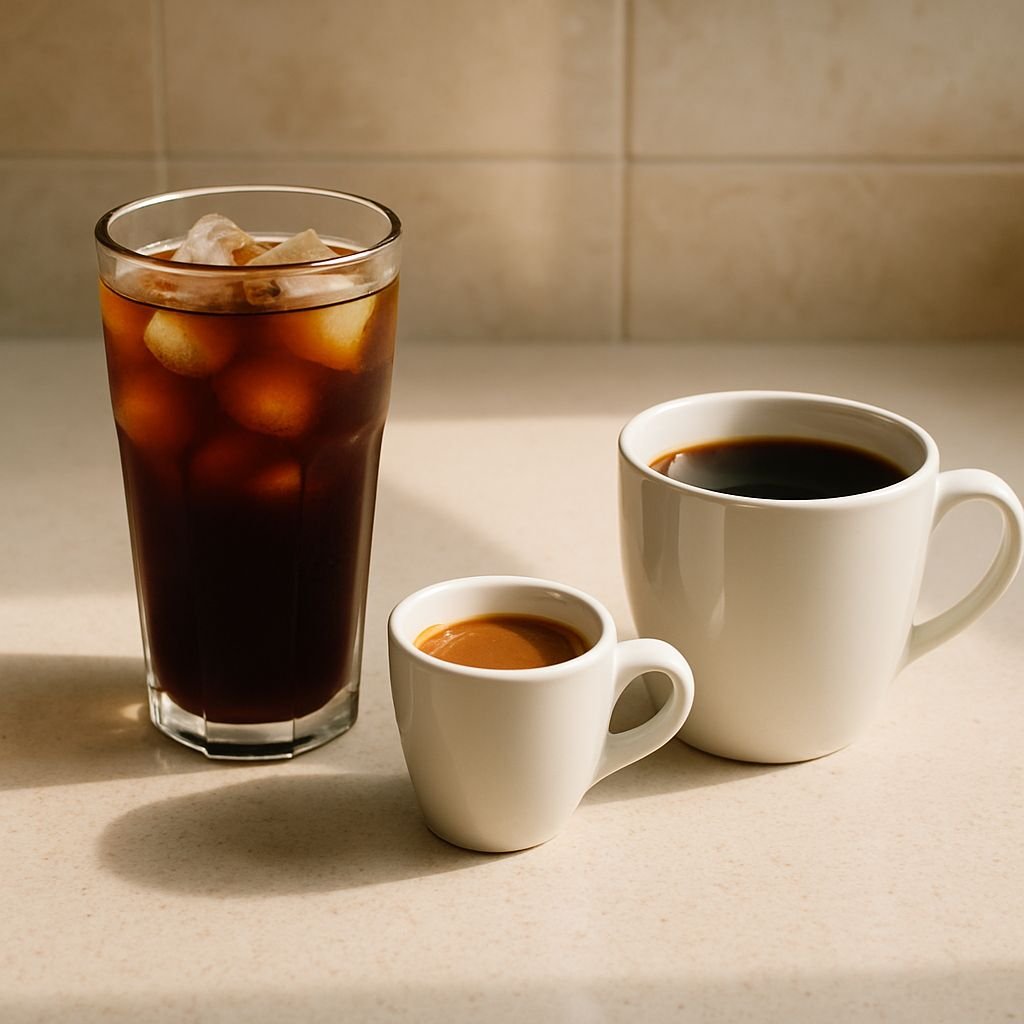
| Type | Approx. caffeine per 12 oz serving |
|---|---|
| Cold brew concentrate (undiluted) | 150–300mg |
| Cold brew, diluted 1:1 (drinking strength) | 75–150mg |
| Drip coffee | 95–165mg |
| Espresso (1 oz shot) | 63mg (scales up with additional shots) |
Note the overlap: diluted cold brew and drip coffee land in a similar range. The “cold brew has way more caffeine” idea mostly comes from people comparing undiluted concentrate to a regular cup, which isn’t how cold brew concentrate is meant to be consumed.
What Actually Affects Caffeine Content
Coffee-to-water ratio
More coffee grounds per batch means more caffeine extracted into the same volume of water. A 1:3 ratio (stronger) pulls noticeably more caffeine than a 1:5 ratio (milder) at the same steep time. See our ratio guide for exact measurements.
Steep time
Longer steeps extract somewhat more caffeine, but the effect is smaller than most people assume — the difference between a 12-hour and 24-hour steep is modest compared to what ratio or roast level does.
Roast level
This one surprises people: light roasts generally contain slightly more caffeine by weight than dark roasts, since roasting burns off a small amount of caffeine over time along with moisture. The difference is modest, but if you’re chasing maximum caffeine, a lighter roast has a slight edge over a French roast at the same measured weight.
Bean origin and variety
Robusta beans contain roughly double the caffeine of Arabica beans, though Robusta is less common in specialty cold brew due to its harsher flavor profile. Most beans marketed for cold brew are Arabica.
Concentrate vs. Diluted: Don’t Confuse the Two
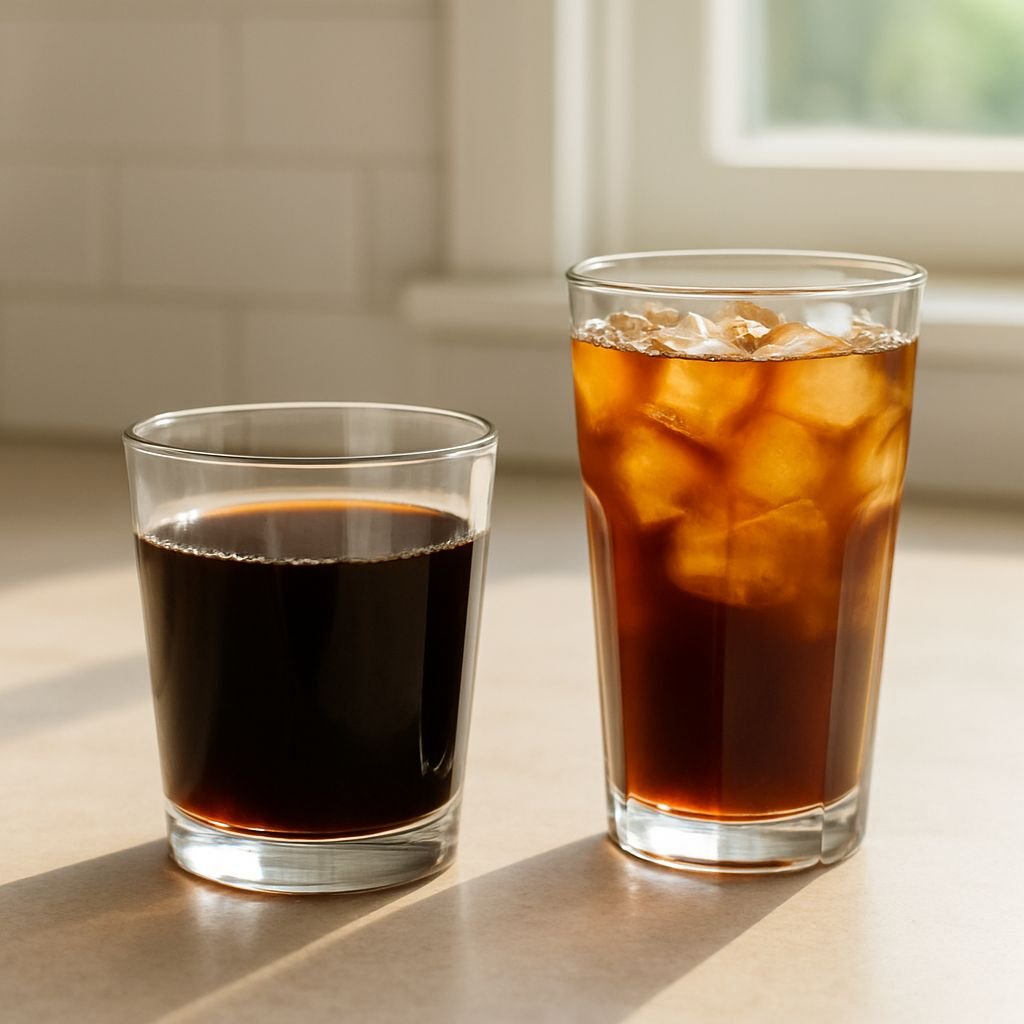
This is the most common source of confusion around cold brew caffeine numbers online. Undiluted concentrate is genuinely strong — drinking it straight (which it’s not meant for) would mean a much higher caffeine dose per ounce than a normal cup. Once diluted to drinking strength, the numbers come back down to a range comparable to regular coffee. Any caffeine figure you see for cold brew should specify whether it’s talking about concentrate or a diluted serving — if it doesn’t say, be skeptical of the number.
How to Adjust Caffeine to Your Preference
- Want less caffeine: dilute more (closer to 1:2 concentrate-to-water instead of 1:1), or brew at a lower coffee-to-water ratio like 1:5.
- Want more caffeine: brew at a stronger ratio (1:3), dilute less when serving, or steep at the longer end of the 12–24 hour window.
- Want it decaf: use decaf beans — the cold brew process itself doesn’t remove caffeine, so you need decaffeinated coffee going in to get a decaf result out.
A Note on Caffeine and Health
Individual caffeine sensitivity varies a lot, and general daily caffeine guidance is widely available from health authorities if you want to check your own intake against it. If you’re monitoring caffeine for a specific health reason, it’s worth talking to a doctor about what’s right for you rather than relying on any single article’s numbers, since actual caffeine content varies by bean, batch, and how you brew.
FAQ
How much caffeine is in cold brew coffee concentrate?
Roughly 150–300mg per 12 oz before dilution, or about 75–150mg per 12 oz once diluted 1:1 for drinking.
Is cold brew stronger in caffeine than regular coffee?
The undiluted concentrate is stronger ounce for ounce. Diluted to drinking strength, cold brew and drip coffee land in a similar range.
Does steep time affect caffeine content?
Yes, moderately — longer steeps extract more, though ratio and roast level make a bigger difference than steep time alone.
Bottom Line
Diluted cold brew isn’t dramatically more caffeinated than regular coffee — it just tastes smoother, which can make it easy to drink more of it. If caffeine content matters to you, the ratio you brew at and how much you dilute when serving are the levers that actually control it, more than the brewing method itself.