 Cold Brew At Home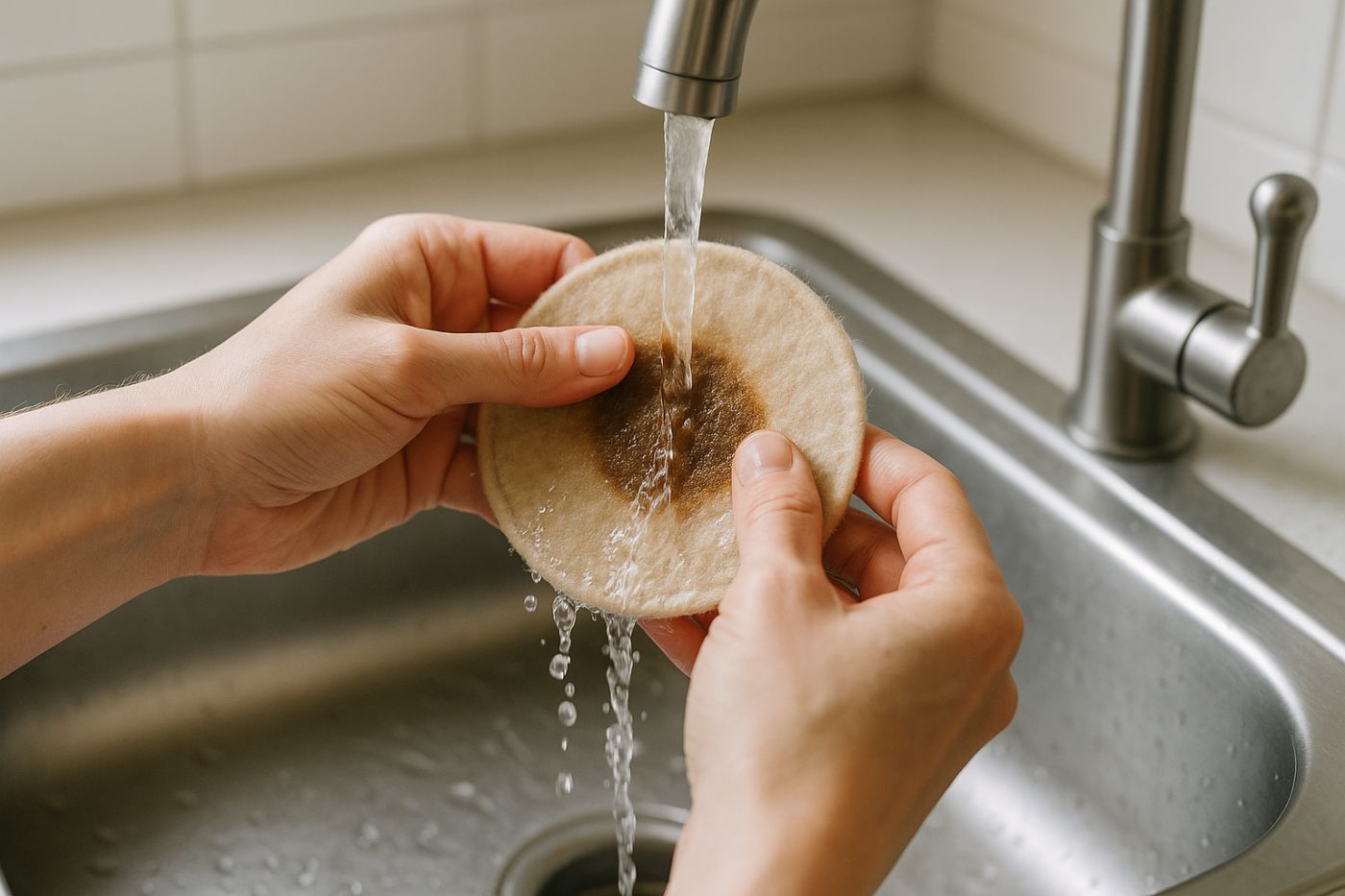
The Toddy system is low-maintenance, but the one part that actually needs attention — the felt filter — is also the part most people neglect, and it’s the source of nearly every complaint we see in buyer reviews. Get this routine right and the whole system stays trouble-free for years.
After Every Batch: The Non-Negotiable Step
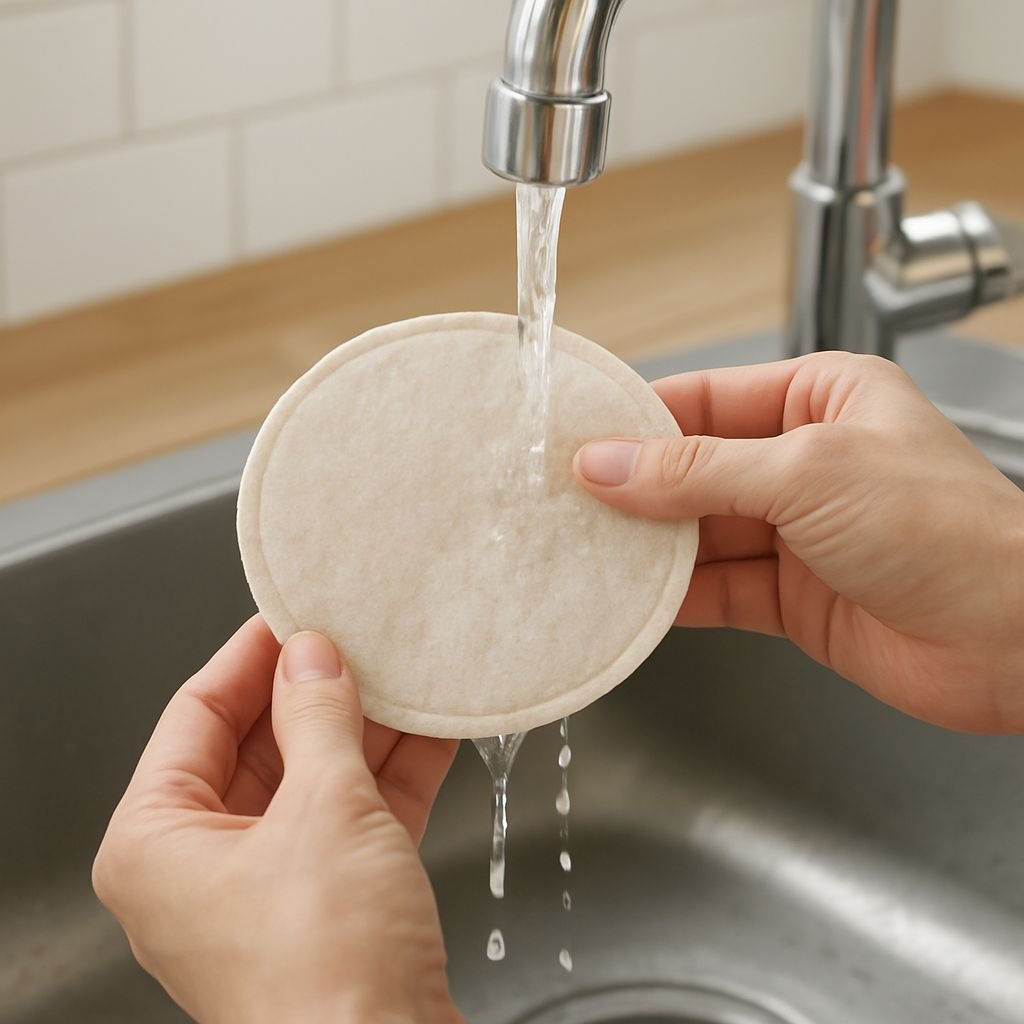
As soon as you’ve released a batch, pull the felt filter out and work the used grounds free under cold running water, kneading it gently until the water runs clear. This takes about a minute and is the single most important habit for a trouble-free Toddy. Never use soap or detergent on the felt — it’s absorbent enough that any residue left behind will carry into your next batch and affect the flavor.
Air-Dry Completely Before Storing
This is the step almost every mold complaint traces back to. After rinsing, lay the filter flat on a towel or hang it somewhere with airflow until it’s completely dry — not just surface-dry, but dry all the way through, which usually takes several hours. Sealing a damp felt filter inside a closed container or drawer is exactly the environment mold needs. If you’re brewing daily and don’t have time to fully dry one filter between batches, keep a second filter in rotation so one is always drying while the other is in use.
Weekly Deep Clean
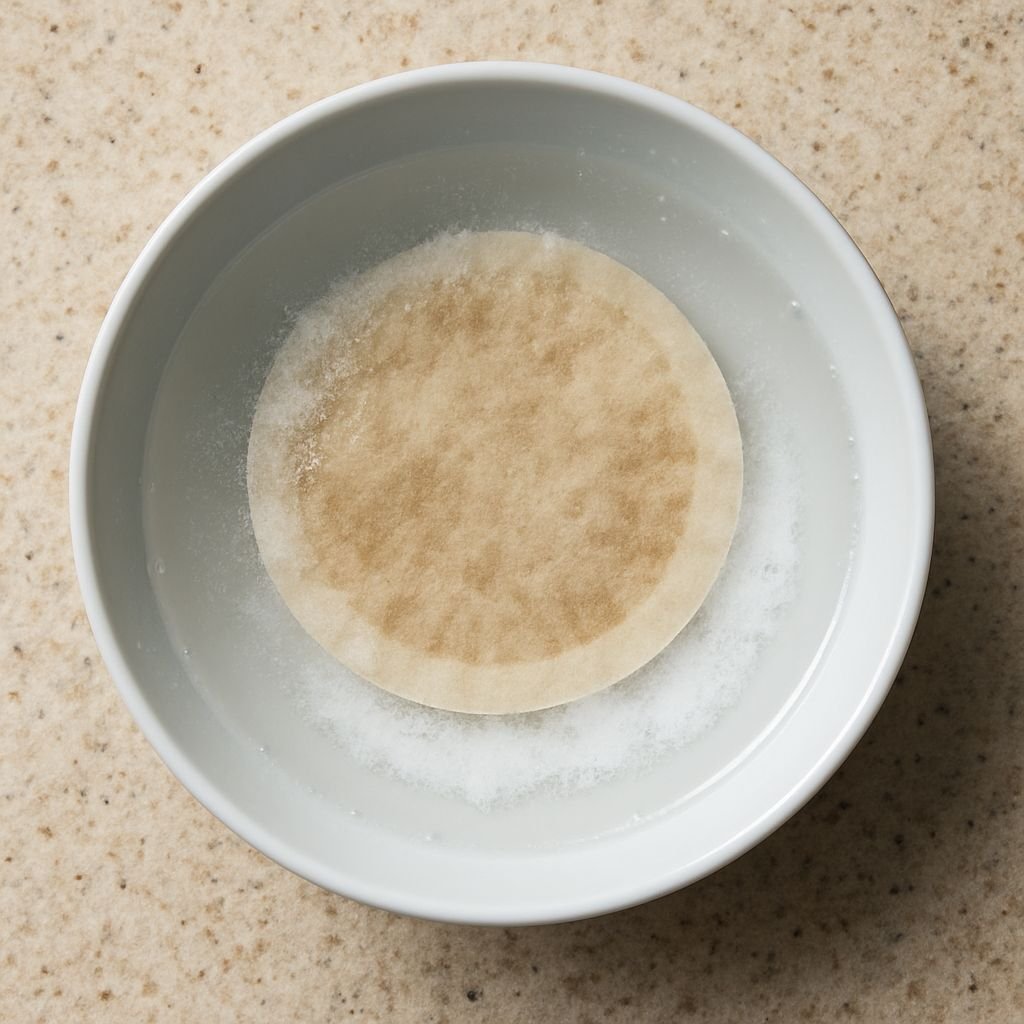
Once a week if you’re brewing regularly, give the filter a deeper clean: mix 1 tablespoon of baking soda into 2 cups of water and let the filter soak for 15 minutes. This lifts built-up coffee oils that a plain rinse doesn’t fully remove and keeps the felt smelling fresh rather than musty. Rinse thoroughly afterward and let it air-dry fully, same as after every batch.
Cleaning the Brewer and Decanter
The plastic brewing container and glass decanter are much less fussy than the filter. Warm soapy water and a regular wash after each batch is enough, or you can place both on the top rack of the dishwasher if that’s more convenient. There’s no felt to worry about drying carefully here — just make sure the decanter’s cap or lid is also cleaned, since it’s easy to overlook and can pick up odors over time.
How Often to Replace the Filter
With proper care, a felt filter typically lasts 60–80 batches, which works out to a few months of regular use for most people. Signs it’s time to replace: a persistent musty smell that doesn’t go away after a deep clean, visible thinning or fraying, or noticeably more sediment coming through than when it was new. See our filter replacement guide for felt vs. paper options and where to buy them.
If You’re Already Dealing With Mold
If you’ve spotted mold or a persistent musty smell, don’t try to salvage the filter with a stronger cleaning — replace it. Mold can take hold in the fibers in ways a surface clean won’t fully resolve, and it’s not worth the risk to your next batch. Going forward, the air-dry step above is what prevents this from recurring. Our mold troubleshooting guide covers this in more depth if you want the full picture.
FAQ
How often should I clean my Toddy filter?
Rinse after every batch, and do a baking-soda deep clean weekly if brewing regularly. The after-every-batch rinse is the step most people skip and shouldn’t.
Can I use soap on the felt filter?
No — felt absorbs detergent and residue will taint your next batch’s flavor. Water only, or a baking soda soak for deeper cleaning.
Can the felt filter go in the dishwasher?
Never. Dishwasher heat and detergent will damage it and leave residue. Hand rinse only. The plastic brewer and glass decanter are dishwasher safe.
The Short Version
Rinse every time, air-dry fully before storing, deep-clean weekly, and replace the filter every few months. That’s the entire routine, and it’s the difference between a Toddy that lasts for years without issue and one that develops the mold complaints you’ll see in negative reviews.