 Cold Brew At Home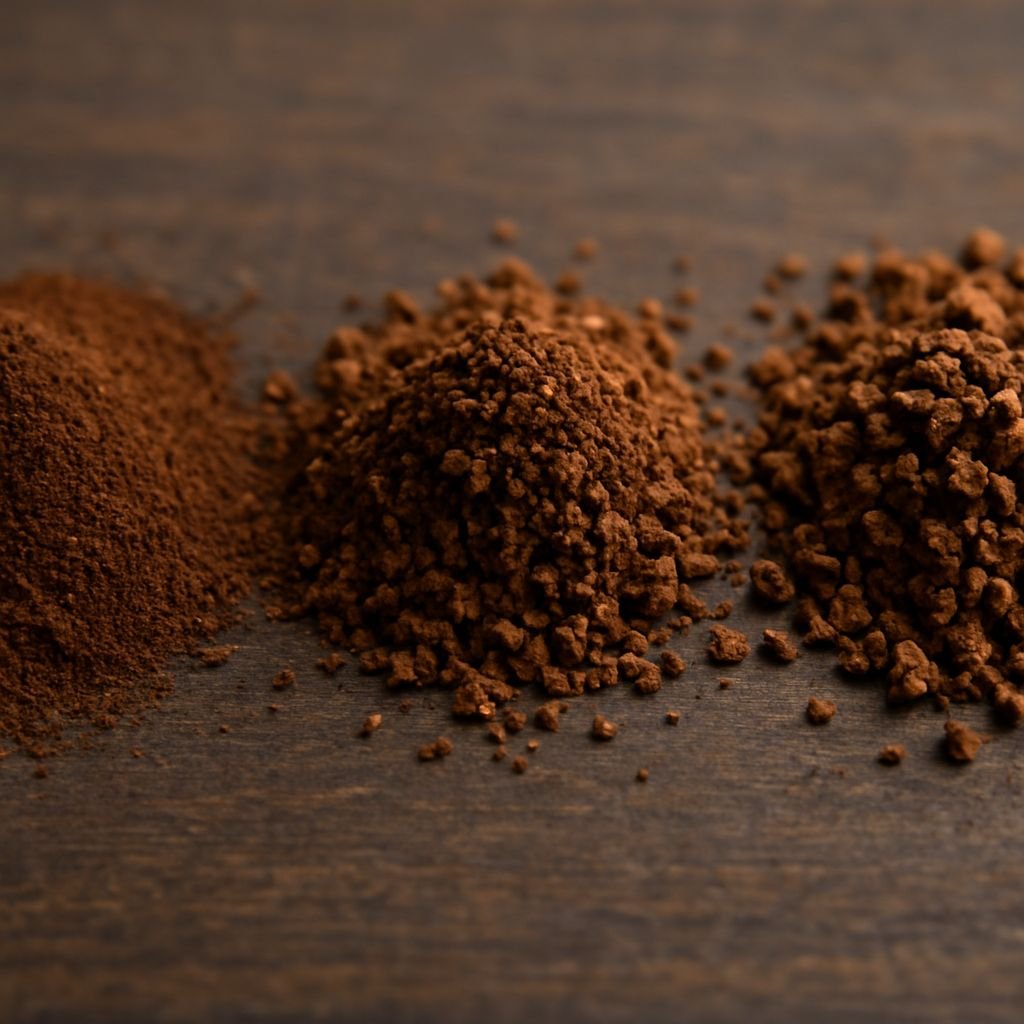
Grind size is the one variable that causes more bad cold brew than anything else. Too fine and you get a muddy, bitter, over-extracted mess with a filter that takes forever to drain. Too coarse and you get something that tastes like coffee-scented water. The target is coarse – think coarse sea salt or breadcrumbs, not powder – and getting there is simpler than it sounds once you know what to look for.
Why Grind Size Matters So Much for Cold Brew
Hot brewing finishes in minutes, so grind size matters but there’s not much time for mistakes to compound. Cold brew steeps for 12 to 24 hours. That’s a long time for water to keep pulling flavor out of the grounds, and grind size is basically the dial that controls how fast that extraction happens.
A fine grind exposes a lot of surface area. Over a few hours that’s fine – it’s how espresso and drip coffee work. Over 18 hours, it just keeps extracting long after it should’ve stopped, and what you’re left with is bitterness and astringency instead of the smooth, chocolatey flavor cold brew is known for. A coarse grind exposes less surface area, so extraction happens slowly enough that the long steep time works in your favor instead of against it.
The Right Grind Size, In Plain Terms
| Grind level | Texture comparison | Approx. microns | Good for cold brew? |
|---|---|---|---|
| Fine (espresso) | Powder, like flour | Under 400 | No – will clog filters and over-extract badly |
| Medium (drip) | Granulated sugar | 400-800 | Not ideal – still too fine for a long steep |
| Coarse (cold brew / French press) | Coarse sea salt or breadcrumbs | 800-1400 | Yes – this is the target |
| Extra coarse | Peppercorns | 1400+ | Only if you’re steeping longer than 24 hours |
If you don’t have a scale or micron chart handy, the tactile test works just as well. Grab a pinch of your ground coffee and rub it between your fingers. It should feel gritty and chunky, similar to coarse sea salt, with maybe a few slightly larger pieces mixed in. If it feels like flour or powder, it’s too fine. If it feels like gravel, you’ve gone too far the other way.
Burr Grinder vs. Blade Grinder
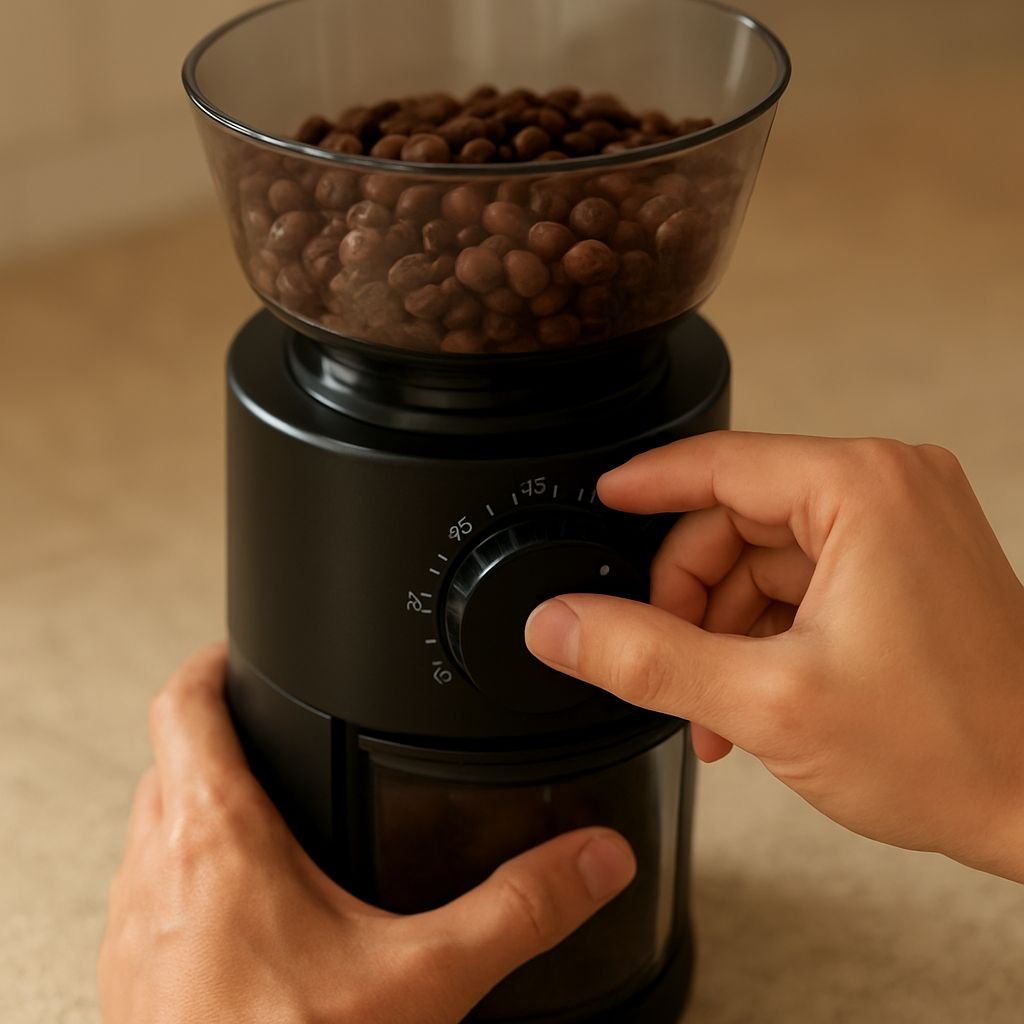
A burr grinder is the better tool for this. It crushes beans between two surfaces to produce a consistent particle size, which means your extraction is even across the whole batch rather than a mix of over-extracted dust and under-extracted chunks. Most burr grinders have a dial or setting labeled for French press or cold brew – start there.
Blade grinders work too, they’re just less precise. They chop beans with a spinning blade, which produces a mix of particle sizes no matter how careful you are. If a blade grinder is what you’ve got, pulse it in short one- or two-second bursts and check the texture between pulses. Stop as soon as it looks chunky and uneven rather than continuing until it looks “fine enough” – with a blade grinder, you’ll always overshoot if you’re not checking as you go.
Does the Toddy Forgive Grind Mistakes?
A little, yes. The Toddy’s felt filter catches a lot of the fine sediment that would otherwise slip through a mesh filter or cheesecloth setup, so a slightly-too-fine grind is more forgivable here than it would be with some other cold brew methods. That’s not a reason to skip the coarse grind, though – it just means the Toddy is a bit more of a safety net if your grind isn’t perfectly dialed in yet.
What Happens When You Get It Wrong
Too fine
This is the mistake almost everyone makes at least once, usually by grabbing pre-ground coffee that’s actually cut for a drip machine. The result is a cloudy, muddy concentrate with visible sediment, a bitter or astringent edge, and a filter that takes forever to drain because fine particles clog it up. If your last batch tasted harsh or took way longer to strain than expected, this is almost always why.
Too coarse
Less common, but it happens – usually with an old or worn-out blade grinder that can’t produce a fine particle even if you wanted one. You end up with something thin and watery, more like flavored water than actual coffee, because there just isn’t enough surface area for the steep time to pull real flavor out.
Buying Pre-Ground Coffee for Cold Brew
If grinding your own isn’t in the cards, look for bags labeled specifically “coarse ground” or “for cold brew” – a lot of roasters now sell this as its own product. Avoid anything labeled for drip or automatic brewers, since that’s cut for a faster, hotter extraction and will be too fine here. For more on picking beans in general, our bean guide covers roast level and origin in more depth.
Quick Troubleshooting
- Batch tastes bitter or muddy: grind coarser next time, or check that your current grind isn’t cut for drip.
- Batch tastes thin or weak: you may be too coarse, or your ratio might just need more coffee. Check both before assuming it’s the grind.
- Filter takes forever to drain: almost always a too-fine grind creating a clog. Go coarser.
- Lots of grit or sediment in the final cup: either the grind’s too fine or the filter isn’t catching fines well. Try a coarser grind first since it’s the cheaper fix.
FAQ
What grind size is best for cold brew?
A coarse grind, roughly the texture of coarse sea salt or breadcrumbs, somewhere around 800-1400 microns. Grinding too fine leads to over-extraction, sediment, and a slow, clogged filter.
What happens if I grind too fine for cold brew?
You’ll get a muddy, over-extracted, bitter batch with a lot of sediment, and the filter will drain painfully slowly. It’s the most common mistake first-time cold brewers make.
What happens if I grind too coarse for cold brew?
The coffee ends up thin and underdeveloped, almost like coffee-flavored water, since there isn’t enough surface area for the steep to pull out full flavor.
Can I use a blade grinder for cold brew?
Yes, though a burr grinder gives a more even result. With a blade grinder, pulse in short bursts and stop before the grounds look fine or dusty.
Does grind size matter more for a Toddy than other cold brew methods?
Less than you’d think – the Toddy’s felt filter traps a lot of fine particles that would slip through a mesh filter, making it somewhat more forgiving. Coarse is still the right target either way.
Bottom Line
Coarse, like sea salt or breadcrumbs, is the grind you’re aiming for – not powder, not gravel. A burr grinder set to French press or cold brew makes this easy; a blade grinder works if you pulse carefully and check as you go. Get the grind right and most other cold brew problems tend to sort themselves out. From here, our ratio guide and bean guide will help you dial in the rest of the batch.