 Cold Brew At Home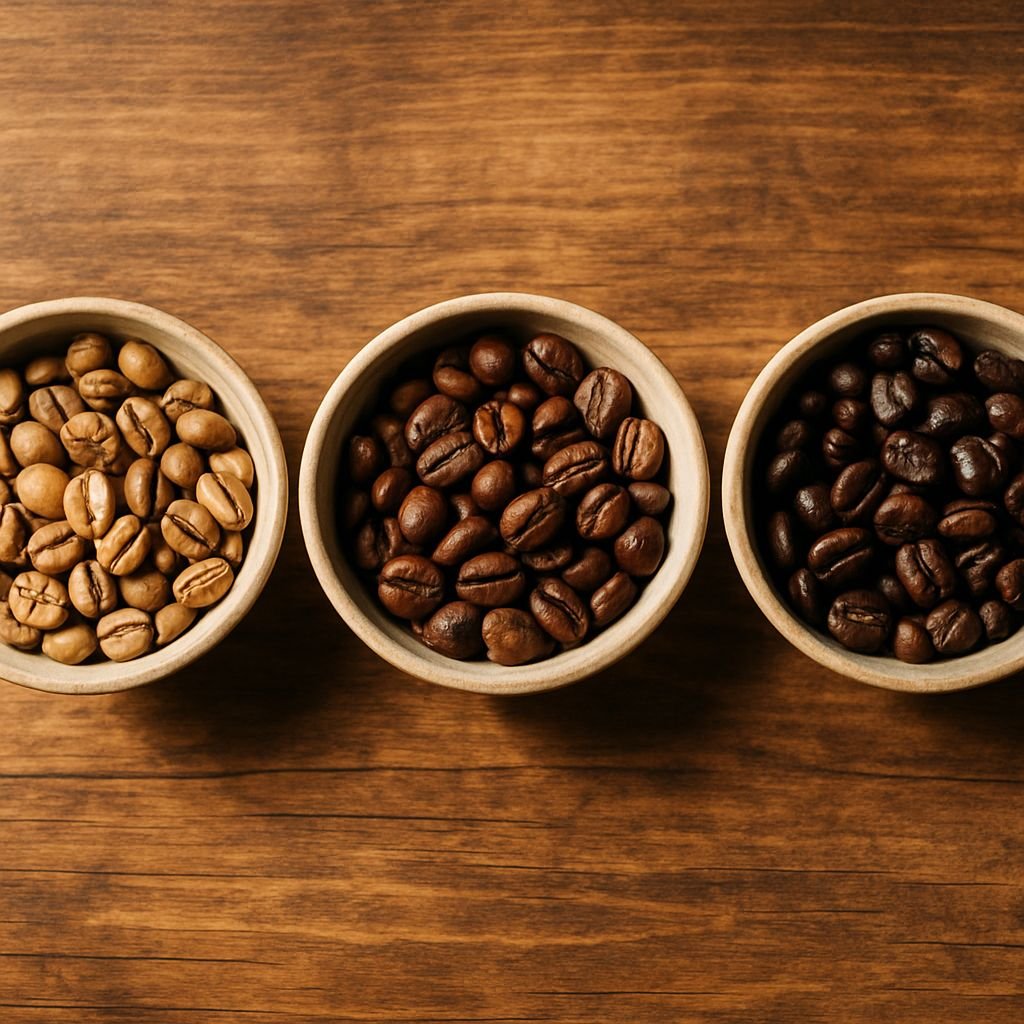
Short version: grab a medium or dark roast, coarsely ground, from somewhere like Brazil, Colombia, or Sumatra. That’s the safe bet. But if you want to know why – and how to pick something better than “safe” – here’s the rest of it.
Roast Level: What Actually Works
| Roast level | What you get in the cup | Who it’s for |
|---|---|---|
| Light roast | Thin, sometimes sour or grassy without heat to open it up | People who want something milder, almost tea-like |
| Medium roast | Balanced, mildly sweet, easiest to get right | Most people, especially if this is your first bag |
| Dark roast | Bold and chocolatey, barely any acidity | Strong concentrate you plan to cut with a lot of milk |
Cold water just doesn’t pull out acidity and bitterness the way hot water does. That’s the whole appeal of cold brew, honestly – it’s smoother almost no matter what you use. The catch is that a light roast’s bright, fruity notes usually need heat to really show up, so cold brewing one can leave you with something flat or a little sour instead. Medium and dark are the safer bet if you’re not sure yet.
Where the Beans Come From
Origin matters more than people expect. Altitude, soil, climate – it all shapes the bean before roasting even happens. A few origins that consistently do well in a long cold steep:
- Brazilian Santos: low acid, chocolatey, nutty, heavy body. Hard to go wrong here, and a good starting point if you’re new to this.
- Colombian Supremo: balanced, a little caramel, a little nutty. Forgives you if your ratio’s slightly off.
- Sumatra Mandheling: earthy, heavy, almost syrupy. Makes a concentrate rich enough to hold up well once diluted.
- Guatemala Antigua: chocolate and spice, a touch brighter than the Brazil or Sumatra above but still plays nice with cold brew.
- Ethiopian Yirgacheffe: floral, fruity, lighter-leaning. Good if you actually want something more delicate – though it punishes ratio mistakes more than the darker origins do.
Notice the pattern – most of these are naturally low in acidity to begin with, and cold brew just leaves that alone rather than fighting it. The Yirgacheffe’s the odd one out on this list, and it’s here mostly because coffee shops love offering it as their “bright” cold brew option, not because it behaves like the rest. If a bag doesn’t say where the beans are from (a lot of grocery store bags don’t), roast level is still your best clue.
Washed or Natural – Does It Matter?
A little, though it’s not something you need to obsess over starting out. This refers to how the coffee cherry gets processed after picking:
- Washed: pulp comes off before drying. Cleaner, brighter, more acidic. Shows off the origin’s true character.
- Natural: dried with the fruit still on. More fruity, sometimes even a little wine-like, heavier body.
For cold brew, natural process often has a slight edge – that heavier body and fruit-forward sweetness tend to survive dilution better than a washed coffee’s more delicate acidity. Not a hard rule though. A good washed Brazilian will still make a great cold brew. If you’re choosing between two similar bags and one lists natural processing, it’s worth trying first.
Arabica vs. Robusta
Almost every bag marketed for cold brew is Arabica, and that’s not an accident. It’s smoother, sweeter, way less bitter than Robusta. Robusta packs close to double the caffeine, which some people chase deliberately, but the flavor tradeoff is rough – harsh and astringent even after a long cold steep. Most specialty roasters don’t touch it. If a bag doesn’t say which type it is, it’s almost certainly Arabica; Robusta shows up rarely enough outside instant coffee that roasters tend to mention it when they use it.
Whole Bean or Pre-Ground?
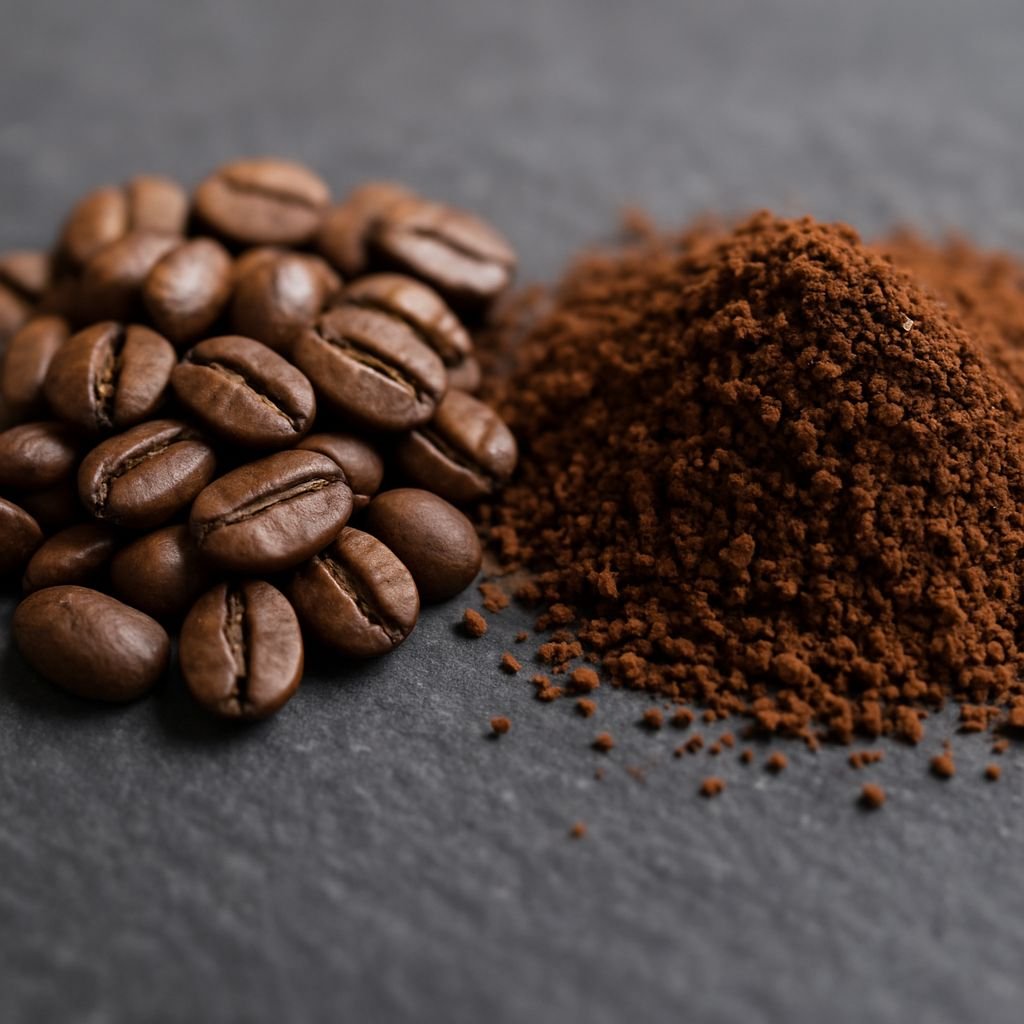
Grind it yourself if you can. Coffee starts losing its aroma within days of grinding, and cold brew’s long steep gives that staleness plenty of time to take over the batch. It’s a bigger deal here than with drip coffee.
If pre-ground is just more realistic for your routine, look specifically for bags labeled “coarse ground for cold brew.” Regular pre-ground coffee is cut for drip machines, and that’s too fine for an immersion brewer like a Toddy – you’ll get over-extraction, sediment, and a filter that takes forever to drain. Our grind size guide covers the exact coarseness to aim for.
Espresso Beans and Flavored Beans
Espresso beans work fine, as long as you grind them coarse yourself. They’re almost always dark roast, which suits cold brew well enough – the problem is only that pre-ground espresso is cut fine for an espresso machine, and that’ll clog a cold brew filter fast.
Flavored beans (vanilla, hazelnut, whatever) can technically go in a cold brew too, but the long steep tends to mute those added oils more than a quick hot brew would. You’ll often end up with a faint hint of the flavor rather than anything pronounced. If you actually want that flavor to come through, adding a syrup after brewing gives you more control than hoping the beans carry it.
What About Decaf?
Decaf beans behave the same way regular beans do here – same roast, same origin logic applies. Worth saying plainly: cold brewing doesn’t remove caffeine on its own. If you want decaf, you need decaf beans going in. And if you’re picking, Swiss Water Process tends to hold onto more of the bean’s original flavor than the chemical-solvent methods do.
Single-Origin or a Blend?
Single-origin lets one region speak for itself – a Brazilian tastes distinctly different from a Sumatran even at the same roast. Blends are built by roasters to hit the same flavor every time, which makes them a bit more forgiving if your timing or ratio drifts. Neither one’s “better,” really. It’s whether you want to taste somewhere specific or just want something dependable.
Specialty Bag or Grocery Store Bag?
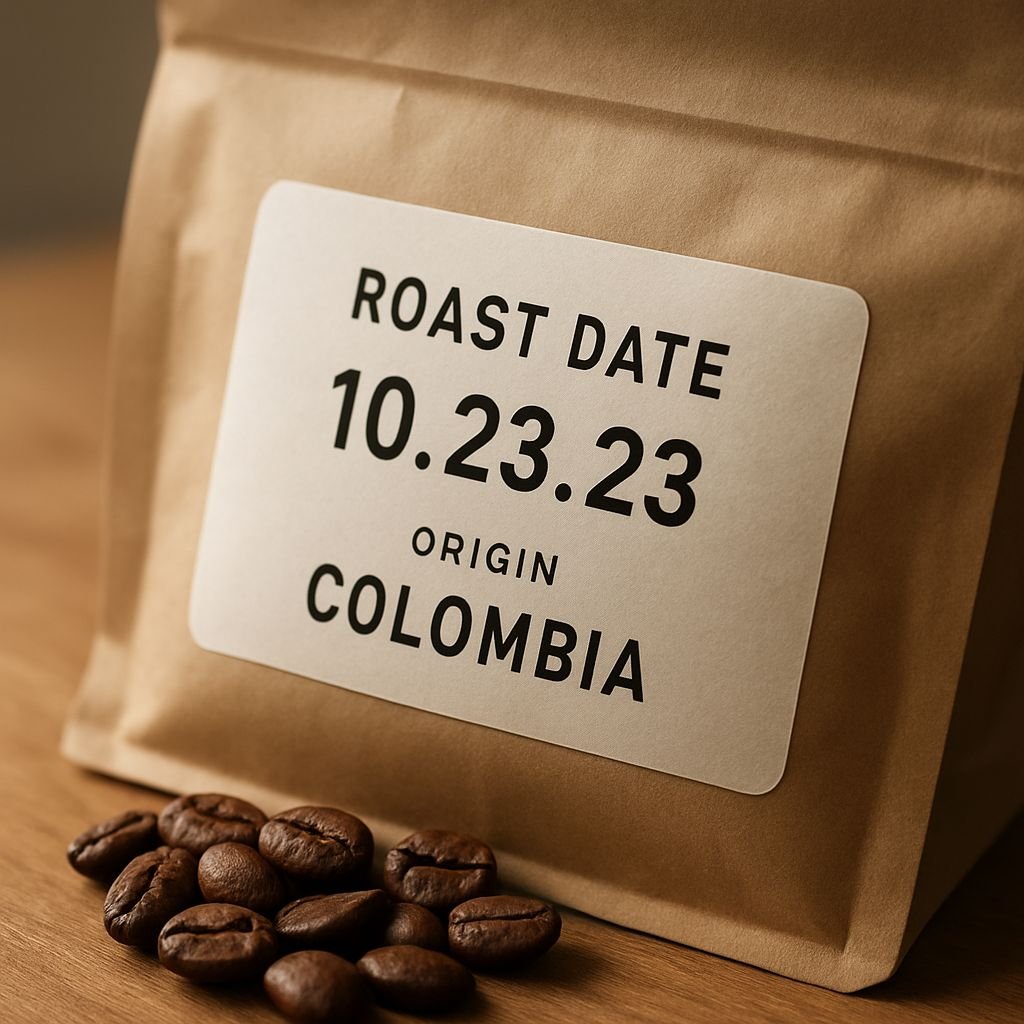
Specialty roasters usually print the roast date, origin, and tasting notes right on the bag, which is genuinely useful when you’re trying to dial things in. Grocery store beans rarely say when they were roasted, so you’re kind of guessing on freshness. That said – a fresh grocery store medium roast beats a stale specialty bag every single time. Freshness wins over the label on the front.
Keeping Beans Fresh
Once you’ve got beans, how you store them matters almost as much as which ones you bought. Airtight container, away from light and heat, and only buy what you’ll actually use in the next couple weeks. A cabinet works. So does a countertop out of direct sun.
Skip the fridge or freezer if you’re using the beans soon. Every time a cold container warms back up, condensation forms inside it, and that moisture kills flavor faster than just leaving the bag on the counter would. Freezing only really makes sense if you’re not touching a batch for a month or more – and even then, split it into smaller airtight portions first so you’re not thawing and refreezing the same beans over and over.
Mistakes People Actually Make
- Buying a light roast and expecting it to taste like it does in a drip machine. It won’t – light roasts need heat to show their best side.
- Not checking the roast date. If there isn’t one printed anywhere, that’s a small red flag.
- Using a fine drip grind instead of coarse. This alone causes most of the muddy, over-extracted batches people complain about.
- Assuming a higher price means better cold brew. Sometimes it just means a rarer origin or fancier processing, not necessarily something that performs better in a 12-24 hour steep.
- Keeping beans in the fridge “for freshness.” It usually does the opposite.
FAQ
What roast level is best for cold brew?
Medium and dark roasts work best for most people, since the cold steep already softens acidity and brings out chocolatey, nutty flavors. Light roasts can taste thin or sour without heat to open them up.
Should I buy whole bean or pre-ground coffee for cold brew?
Whole bean, ground right before brewing, tastes noticeably better. If you go pre-ground, look for coffee labeled for cold brew rather than a regular drip grind.
Do single-origin beans or blends work better for cold brew?
Both work. Single-origin (Brazil, Colombia) shows off specific flavors, while blends are more consistent and forgive small mistakes in ratio or timing.
Can you use espresso beans for cold brew?
Yes, just grind them coarse – pre-ground espresso coffee is too fine and will clog your filter.
Is Arabica or Robusta better for cold brew?
Arabica, for most people – smoother and sweeter. Robusta has nearly double the caffeine but a harsher, more bitter taste.
How should I store coffee beans for cold brew?
Airtight container, away from light and heat, used within a few weeks. Skip the fridge or freezer unless you won’t touch the beans for a month or more.
Bottom Line
If you’re not sure where to start: medium or dark roast, low-acid origin like Brazil or Colombia, whole bean if you can swing it, ground coarse right before brewing. Keep it in an airtight container and use it up within a few weeks. Once you’ve got beans sorted, our ratio guide and grind size guide will help you get the most out of them, and our full Toddy review covers whether the system itself is worth it.